Ever wondered, 'can any computer be a gaming computer?' This comprehensive guide unravels the truth, breaking down hardware requirements, software optimizations, and practical tips for transforming your existing machine. Discover how even older systems can run popular titles with smart tweaks. We cover everything from critical component upgrades to advanced settings optimization, ensuring you maximize your frames per second (FPS) and eliminate frustrating lag or stuttering. Learn about driver updates, crucial for performance, and explore the best practices for playing various game genres like FPS, MOBA, RPG, Battle Royale, Indie, MMO, and Strategy games. This informational resource is packed with actionable advice to help you game confidently. Dive into the world of PC gaming without breaking the bank, understanding what truly makes a difference in gameplay experience and overall performance.
can any computer be a gaming computer FAQ 2026 - 50+ Most Asked Questions Answered (Tips, Trick, Guide, How to, Bugs, Builds, Endgame)Welcome, fellow gamers, to the ultimate living FAQ for 2026, meticulously updated to help you conquer the age-old question: 'Can any computer be a gaming computer?' This comprehensive guide is your personal walkthrough, packed with cutting-edge tips, tricks, and solutions for common bugs and performance woes. We've scoured forums, digested expert advice, and tapped into the latest hardware and software innovations to bring you the most honest answers about transforming your machine. Whether you're a beginner looking for a basic guide, an enthusiast refining your build, or an experienced player troubleshooting endgame lag, this is your definitive resource. Get ready to unlock your PC's true potential!
Beginner Questions
Is it possible for any computer to become a gaming computer?
Yes, to a reasonable extent. While an old office PC won't run Cyberpunk 2077 on ultra settings, many computers can be optimized or upgraded to play a wide variety of games, especially older titles, indie games, or modern esports titles with adjusted settings. It's about managing expectations and making smart, targeted improvements.
What are the most essential components for a gaming computer?
The core components are a powerful CPU (processor), a dedicated GPU (graphics card), sufficient RAM (memory, ideally 16GB+), and fast storage (an SSD). These work in tandem to render graphics, process game logic, and load assets quickly, ensuring a smooth gaming experience.
Do I need a super expensive PC to play games in 2026?
Myth vs Reality: No, not necessarily. While high-end PCs offer the best performance, many excellent games are playable on budget-friendly setups, especially with smart settings optimization and considering older or indie titles. Cloud gaming services also reduce the need for powerful local hardware.
Can I use my laptop for gaming?
Absolutely, many laptops are designed for gaming. Even non-gaming laptops can run lighter titles if they meet minimum specifications. Focus on managing heat, ensuring proper cooling, and optimizing game settings to maximize performance on a portable machine.
Hardware & Upgrades
What is the single best upgrade for gaming performance?
The dedicated graphics card (GPU) is almost always the most impactful upgrade for gaming performance. It handles the vast majority of graphics rendering, and a stronger GPU directly translates to higher frames per second (FPS) and better visual quality in games.
How much RAM is sufficient for gaming in 2026?
For comfortable gaming in 2026, 16GB of RAM is generally recommended as the sweet spot. While some older or less demanding games might run on 8GB, 16GB ensures smoother multitasking, faster asset loading, and better performance in more demanding AAA titles.
Are SSDs really important for gaming?
Myth vs Reality: Yes, SSDs (Solid State Drives) are incredibly important. They dramatically reduce game loading times, minimize in-game stuttering by allowing faster asset streaming, and improve overall system responsiveness. Installing your operating system and primary games on an SSD is a significant quality-of-life upgrade.
Can I upgrade my laptop's graphics card?
Generally, no. Laptop graphics cards are typically soldered directly onto the motherboard, making them non-upgradable. Some high-end gaming laptops might feature upgradeable modules (like MXM cards), but these are rare and proprietary. CPU and RAM upgrades are sometimes possible.
Performance Optimization & Settings
How do I improve my FPS (frames per second) in games?
To improve FPS, start by updating your graphics drivers. Then, adjust in-game settings: lower shadows, anti-aliasing, and texture quality. Close unnecessary background applications, ensure your PC is in 'High Performance' power mode, and consider using AI upscaling technologies like DLSS or FSR if available.
What is 'settings optimization' and why is it important?
Settings optimization involves adjusting a game's graphical and performance settings to achieve the best balance between visual quality and frames per second (FPS) for your specific hardware. It's crucial because it allows you to squeeze maximum performance from your PC, making games smoother and more enjoyable without hardware upgrades.
Does Windows 'Game Mode' actually help improve performance?
Myth vs Reality: Windows 'Game Mode' can offer minor benefits by prioritizing game resources and suppressing background notifications. However, its impact is often subtle and not a dramatic performance booster. Focus on core optimizations like driver updates and closing background apps for more significant gains.
How can I reduce lag and stuttering in games?
Reduce lag by ensuring a stable internet connection (preferably Ethernet) and closing bandwidth-hogging apps. Fix stuttering by installing games on an SSD, ensuring sufficient RAM, updating drivers, and checking for CPU/GPU bottlenecks through monitoring tools. Keep background processes to a minimum.
Network & Connectivity
Why do I get high ping even with fast internet?
High ping, even with fast internet, can be due to several factors: using Wi-Fi instead of Ethernet, network congestion (too many devices), outdated router firmware, or routing issues with your ISP. Ensure no background applications are hogging bandwidth and consider a router restart.
Is Wi-Fi good enough for competitive online gaming?
Myth vs Reality: While modern Wi-Fi is much better, it's generally not ideal for competitive online gaming. Wi-Fi introduces more latency and packet loss compared to a wired Ethernet connection, which can lead to frustrating lag spikes and an inconsistent experience during crucial moments.
Drivers & Software
How often should I update my graphics drivers?
It's a good practice to check for graphics driver updates monthly or whenever a major new game is released. Graphics card manufacturers (NVIDIA, AMD, Intel) frequently release new drivers with performance improvements, bug fixes, and optimizations for the latest titles.
What are the best software tools for optimizing my PC for gaming?
The best tools are often built-in: your GPU's control panel (NVIDIA Control Panel, AMD Adrenalin), Windows Task Manager for managing background processes, and reliable driver update utilities from manufacturers. Avoid most generic 'game booster' software, as they often do more harm than good.
Troubleshooting Common Issues
My game keeps crashing. What should I do?
Game crashes can stem from various issues. First, update your graphics drivers. Verify game file integrity through the game launcher (Steam, Epic Games). Check for overheating, especially on laptops, and ensure your PC meets the game's minimum requirements. Disable any aggressive overclocks or background apps.
Why does my screen sometimes freeze for a second during gameplay?
A momentary screen freeze, often called a micro-stutter, can indicate a bottleneck. This might be due to your RAM filling up, your CPU struggling with a sudden load, slow storage loading assets, or even brief drops in GPU power. Monitoring your system during gameplay can help pinpoint the exact cause.
Gaming Genres & Specifics
Can a non-gaming PC handle an FPS (First-Person Shooter) game?
Yes, many FPS games, especially older titles or esports games like Valorant or CS:GO, are designed to be highly scalable and can run on non-gaming PCs with adjusted settings. Modern AAA FPS games will require a dedicated GPU and more robust hardware for a smooth experience.
What about MOBA (Multiplayer Online Battle Arena) games like League of Legends?
MOBA games like League of Legends or Dota 2 are generally less graphically demanding than AAA shooters and are often very accessible on non-gaming PCs. A stable internet connection is paramount for MOBAs, more so than cutting-edge graphics, making them a great option for many systems.
Myth vs Reality
Myth: You need the absolute latest CPU to be a serious gamer.
Reality: While a new CPU is great, mid-range CPUs from a few generations ago are often more than capable for most games, especially when paired with a strong GPU. CPU advancements for gaming have slowed, making older, still powerful CPUs a viable option for budget builds.
Myth: Overclocking your components is always risky and should be avoided.
Reality: Overclocking can indeed improve performance, but it carries risks like system instability or reduced component lifespan if done incorrectly. However, with modern hardware and software tools, mild overclocking (especially RAM's XMP profiles) is much safer and can offer free performance gains for those who research properly.
Endgame & Advanced Topics
What is thermal throttling and how does it affect gaming?
Thermal throttling is when a CPU or GPU automatically reduces its clock speed to lower its temperature and prevent damage from overheating. This directly leads to significant FPS drops and stuttering, effectively crippling your gaming performance. Good cooling is essential to prevent it.
How do cloud gaming services fit into making 'any computer' a gaming computer?
Cloud gaming services like GeForce Now or Xbox Cloud Gaming are revolutionary. They allow you to stream high-end games directly to almost any device (even low-spec PCs, tablets, or phones), with the powerful hardware residing in a data center. This effectively transforms any internet-connected device into a gaming machine, bypassing local hardware limitations.
Still have questions?
Dive deeper with our related guides on 'Best Budget Gaming PC Builds 2026' or 'Advanced GPU Settings for Maximum Performance.' We're always here to help you get the most out of your gaming experience!
Is it truly possible? Can any computer be a gaming computer? This is a question whispered in forums and shouted in discord servers across the globe by gamers everywhere. The answer, my friends, is a fascinating journey into the heart of your machine. We’re talking about turning your humble desktop or everyday laptop into a powerhouse capable of running your favorite titles, often with just a few smart adjustments. Imagine playing the latest RPG or Battle Royale game without a major investment, simply by understanding how your hardware and software truly interact. It's less about magic and more about methodical optimization.
Many people ask, "Can my old office PC really run modern games?" While not every computer can run every game at ultra settings, the exciting news is that many everyday machines possess untapped potential. With the right strategies for settings optimization and some clever tweaks, you can significantly enhance your gaming experience. We’re going to dive deep into what truly matters for gaming performance, from hardware considerations to critical software adjustments that eliminate annoying ping issues, FPS drop, and stuttering. Get ready to transform your understanding of PC gaming capabilities.
Understanding the Gaming PC Basics
Before we jump into advanced tricks, let's understand the core components. Every gaming computer relies heavily on a powerful CPU, a dedicated GPU, sufficient RAM, and fast storage. These components work together to render complex game worlds and handle intensive calculations. Knowing their roles helps you target areas for improvement effectively. Even minor upgrades in these areas can yield surprising performance gains.
The Role of Graphics Cards (GPUs)
The graphics card is often considered the heart of a gaming rig. It's responsible for rendering all the visuals you see on your screen. Without a capable GPU, even the fastest CPU will struggle to deliver a smooth gaming experience. Integrated graphics, while improving significantly in 2026, still typically fall short for demanding titles. Dedicated cards offer their own video memory and processing units, crucial for high FPS.
- Upgrading your GPU is usually the most impactful change for gaming.
- Look for mid-range options for a significant performance boost on a budget.
- Newer GPUs leverage AI upscaling technologies like DLSS or FSR for better performance.
Processors (CPUs) and RAM
Your CPU handles game logic, AI, and physics calculations. A stronger CPU prevents bottlenecks, ensuring your powerful GPU isn't waiting for data. Adequate RAM (16GB is ideal for 2026 gaming) allows your system to multitask and load game assets quickly, preventing stuttering and improving overall responsiveness. These two work hand-in-hand for smooth operation.
- Aim for at least a quad-core CPU from the last 5-7 years for decent performance.
- Ensure you have at least 8GB of RAM; 16GB is the sweet spot for most modern titles.
- Faster RAM speeds also contribute to better CPU performance in gaming scenarios.
Software and Settings Optimization for Maximum FPS
Once your hardware is sorted, software optimization becomes your best friend. Proper settings optimization can drastically improve your FPS without spending a dime. This includes adjusting in-game settings, managing background applications, and ensuring your drivers are up-to-date. These steps are critical for combating lag and FPS drop.
Driver Updates: A Non-Negotiable Step
Outdated drivers are a common culprit for poor gaming performance. Graphics drivers, chipset drivers, and network drivers must always be current. Manufacturers like NVIDIA, AMD, and Intel regularly release updates that boost performance and fix bugs. Make updating your drivers a routine part of your gaming maintenance. It’s an easy win for more FPS.
- Always download drivers directly from the manufacturer's official website.
- Use DDU (Display Driver Uninstaller) for a clean installation of new graphics drivers.
- Check for driver updates monthly, especially before playing new AAA releases.
In-Game Settings: The Performance Sweet Spot
Most games offer a plethora of graphical settings that directly impact performance. Experimenting with these settings is key to finding the perfect balance between visual quality and FPS. Lowering shadows, anti-aliasing, and texture quality often yields the biggest gains. Adjusting render scale can also provide a massive boost, albeit at a visual cost.
- Prioritize resolution and view distance for a clear advantage in FPS games.
- Reduce or disable demanding effects like ambient occlusion and volumetric clouds.
- Start with a game's recommended settings and then fine-tune gradually for optimal performance.
Conquering Lag, Stuttering, and Ping Issues
Nothing ruins a gaming session faster than lag, stuttering fix challenges, or high ping. These issues can turn an exciting Battle Royale or MOBA match into a frustrating ordeal. Understanding their causes is the first step toward effective solutions. From network adjustments to system-level tweaks, there's always a way to fight back.
Network Optimization for Lower Ping
High ping is almost always a network issue. Using an Ethernet cable instead of Wi-Fi provides a more stable and faster connection. Closing bandwidth-hogging applications and ensuring your router firmware is updated also helps. Sometimes, simply restarting your router can work wonders. Consider Quality of Service (QoS) settings on your router for gaming prioritization.
- Connect directly via Ethernet cable for the most reliable online gaming.
- Close all background applications that use internet bandwidth.
- Ensure your router's firmware is up to date and consider gaming-specific QoS settings.
System Tweaks for Stuttering Fix
Stuttering often stems from insufficient RAM, CPU bottlenecks, or drive performance. Ensure your operating system and games are installed on an SSD for rapid loading times. Monitor your system resources during gaming to identify the bottleneck. Overclocking your CPU or GPU cautiously can also help, but requires careful research. Regularly defragmenting HDDs (if still used) is also good practice.
- Install games on an SSD for significantly faster loading and reduced stuttering.
- Disable unnecessary background apps and services through Task Manager.
- Check your power settings to ensure your PC is running in 'High Performance' mode.
The Gaming Experience: Genre by Genre
Different game genres demand different things from your computer. An FPS title requires high, consistent FPS for competitive play, while an MMO or RPG might prioritize graphical fidelity and stable connection. Indie games are often less demanding, opening up more possibilities for older hardware. Understanding these nuances helps you set realistic expectations and optimize specifically.
FPS and Battle Royale: Speed is Key
In fast-paced genres like FPS and Battle Royale, every millisecond counts. High FPS ensures fluid aiming and quick reactions. Settings optimization here should focus on maximizing frame rates above all else, even if it means sacrificing some visual flair. Many professional gamers prefer lower settings for competitive advantage. A gaming mouse and mechanical keyboard also provide an edge.
- Prioritize FPS above all else; lower graphical settings are your friend.
- Ensure monitor refresh rate matches your in-game FPS for smooth visuals.
- Consider a gaming mouse with a high DPI and a responsive mechanical keyboard.
MOBA and Strategy: Stability and Clarity
MOBA games and Strategy titles benefit from a stable connection and clear visuals for unit management. While FPS is important, extreme frame rates aren't as critical as in shooters. Focus on minimizing ping and ensuring you can clearly see all on-screen elements. Communication with teammates is vital here, so a good headset is a smart investment.
- Stable internet connection is paramount to avoid critical decision-making lag.
- Clear UI and unit visibility are more important than ultra-high texture details.
- A quality headset improves team communication and situational awareness.
RPG, MMO, and Indie: Immersion and Accessibility
RPG and MMO games thrive on immersion, so a balance between visuals and performance is often sought. Indie games, by their nature, are generally less graphically intensive, making them perfect for less powerful machines. These genres often prioritize story and gameplay mechanics over cutting-edge graphics, making them widely accessible. A good walkthrough or guide can enhance the experience.
- Balance visual quality with performance to maintain immersion in RPGs/MMOs.
- Indie games are often excellent choices for older or less powerful systems.
- Explore controller support for a more relaxed, immersive experience in many RPGs.
Advanced Tips for Pro-Level Optimization
For those looking to squeeze every last drop of performance, there are advanced techniques. This includes fine-tuning Windows settings, exploring BIOS/UEFI options, and even light overclocking. These steps require a bit more technical know-how but can provide noticeable improvements. Always proceed with caution and research thoroughly before making significant changes.
- Disable unnecessary Windows services and background apps.
- Adjust BIOS/UEFI settings for RAM (XMP profile) and CPU performance.
- Consider a custom resolution and refresh rate via graphics card control panel.
Common Mistakes to Avoid
Even seasoned gamers can fall prey to common pitfalls that hinder performance. Overlooking driver updates, ignoring cooling solutions, or installing too many background programs are frequent issues. Avoiding these mistakes ensures your gaming computer performs consistently. A clean and optimized system is a happy system.
- Neglecting proper cooling can lead to thermal throttling and reduced performance.
- Ignoring regular system maintenance like disk cleanup and malware scans.
- Running too many resource-intensive applications simultaneously while gaming.
Quick 2026 Human-Friendly Cheat-Sheet for This Topic
- Upgrade your GPU if you can; it's the biggest game-changer.
- Always keep your graphics drivers up to date for free performance boosts.
- Close background apps before gaming – every bit of RAM and CPU helps!
- Ethernet cable beats Wi-Fi for stable online gaming, hands down.
- Adjust in-game settings: lower shadows and anti-aliasing first for FPS gains.
- Install games on an SSD; it's a huge difference for loading and stuttering.
- Keep your PC cool; overheating kills performance.
Beginner / Core Concepts
1. **Q:** Can any computer truly be turned into a gaming computer in 2026, or is that just a myth? **A:** I get why this confuses so many people! The short answer is: yes, to an extent, but with realistic expectations. You won't make an old office laptop run the latest AAA titles on ultra, but you can definitely make many existing machines capable of playing a surprising range of games, especially with modern optimization techniques and cloud gaming advancements. It's about smart choices and targeted improvements. You've got this!2. **Q:** What's the absolute minimum I need to look for if I want to play games on my current PC? **A:** This one used to trip me up too! Realistically, you'll want at least 8GB of RAM, a quad-core processor from the last 5-7 years, and ideally, some form of dedicated graphics, even a low-end one. An SSD for game installs is also a huge quality-of-life upgrade. Without these, you're looking at older or less demanding indie games. Try assessing your current specs tomorrow and let me know how it goes.3. **Q:** I keep hearing about 'FPS' and 'ping.' What are these, and why are they so important for gaming? **A:** Ah, the classic metrics! FPS (Frames Per Second) tells you how smoothly your game is running; higher numbers mean smoother visuals. Ping measures the delay between your computer and the game server; lower ping means less lag. Both are crucial: high FPS for responsiveness in shooters, and low ping for competitive online play. They’re your performance report card, essentially! Don't let high numbers on ping and low numbers on FPS get you down!4. **Q:** My games feel 'choppy' sometimes. What does 'stuttering' mean, and can it be fixed easily? **A:** 'Choppy' is a great way to describe stuttering! It's when your game momentarily freezes or skips frames, disrupting the flow. Often, it's due to your PC struggling to load assets, insufficient RAM, or a CPU bottleneck. Many fixes are quite easy, like closing background apps, updating drivers, or moving the game to an SSD. It's usually a solvable problem, so don't fret! You'll be back to smooth gameplay.Intermediate / Practical & Production
1. **Q:** I don't have a dedicated graphics card. Can integrated graphics really handle any modern games in 2026? **A:** You're hitting on a common dilemma! Integrated graphics, especially newer Intel Arc or AMD RDNA-based APUs in 2026, are surprisingly capable for many less demanding games and older AAA titles at lower settings. For true modern AAA gaming, they'll struggle, but for indies, esports titles, and even some RPGs on low, they're definitely viable. It’s all about managing expectations and settings. This approach can really open up your gaming options without needing a big GPU spend right away.2. **Q:** What are the most impactful settings I can change in a game to get more FPS without making it look terrible? **A:** This is where the magic happens without a hardware upgrade! Start by lowering shadows, anti-aliasing, and global illumination. These are often huge performance hogs. Then, scale back texture quality if your VRAM is limited. Render scale is also a big one; reducing it slightly can give massive FPS gains at a minor visual cost. Experimentation is your best friend here. It's about finding that sweet spot for *your* eyes and *your* machine. You’ll be surprised at the difference.3. **Q:** My internet feels fast, but I still get high ping in online games. What's going on, and how can I fix it? **A:** Ugh, high ping is the worst when your internet *feels* fine! Often, it's not raw speed but stability and latency. First, always use an Ethernet cable if you can; Wi-Fi introduces variability. Second, check for background downloads or streaming on your network. Your router's Quality of Service (QoS) settings can also prioritize game traffic. Sometimes, even a simple router restart can clear things up. Don't let a sneaky background process ruin your ranked matches!4. **Q:** How important are drivers, really? Do I need to update them constantly, or can I just leave them alone? **A:** Drivers are *critically* important, truly! Think of them as the translators between your hardware and your games. Graphics drivers, especially, are updated by manufacturers (NVIDIA, AMD, Intel) regularly to boost performance, fix bugs, and optimize for new games. While 'constantly' might be overkill, checking monthly or when a new major game releases is a wise habit. Outdated drivers are a silent killer of FPS. It’s a small effort for big rewards.5. **Q:** Should I bother with 'Game Mode' in Windows or other third-party optimization tools? Do they actually help? **A:** That's a great question, and it's something I’ve seen debated a lot. Windows 'Game Mode' can offer minor benefits by prioritizing game resources, but it's not a silver bullet. Third-party tools can sometimes help, but many are snake oil or cause more issues than they solve. Stick to trusted sources like your GPU control panel for settings. Focus on core optimizations (drivers, background apps, in-game settings) first; those provide the most consistent gains. Keep it simple and effective!6. **Q:** My laptop gets really hot when I game. Is this normal, and what can I do about it to prevent FPS drop? **A:** Oh, the dreaded laptop heat! Yes, it's normal for gaming laptops to get toasty due to their compact design, but excessive heat leads to 'thermal throttling,' where components slow down to prevent damage, causing FPS drop and stuttering. The best fixes are simple: use a laptop cooling pad, ensure vents are clear, and regularly clean out dust. You can also undervolt your CPU or GPU cautiously. Happy components are cool components!Advanced / Research & Frontier 2026
1. **Q:** With cloud gaming like GeForce Now or Xbox Cloud Gaming being so advanced in 2026, is upgrading my PC even necessary anymore? **A:** This is a fascinating frontier, and you're spot-on to ask! Cloud gaming has come *leaps and bounds* by 2026, offering incredible fidelity and low latency, making PC upgrades less 'necessary' for many casual gamers. However, for competitive play, modding, specific game libraries, or simply the best possible local experience, a dedicated gaming PC still reigns supreme. Cloud gaming is fantastic for accessibility, but local hardware still offers that raw, uncompromised power. It's a choice, not a replacement for everyone.2. **Q:** What's the deal with AI upscaling technologies like DLSS and FSR in 2026? How do they help a weaker PC play stronger games? **A:** DLSS (NVIDIA) and FSR (AMD) are *game-changers*, truly brilliant! They use AI to render games at a lower internal resolution and then intelligently upscale them to your monitor's resolution, adding detail in the process. This means your GPU does less work, resulting in significantly higher FPS, often with minimal visual compromise. For a weaker PC, it can literally be the difference between unplayable and perfectly smooth. If a game supports it, *always* enable it! It’s like magic performance boosts.3. **Q:** Beyond standard settings, what are some 'pro-level' tweaks in Windows or my BIOS that can eke out more performance? **A:** Now you're getting into the enthusiast territory, I love it! Pro tweaks include disabling unnecessary Windows services (like Superfetch/SysMain), tweaking power management settings to 'High Performance,' and in BIOS, ensuring XMP is enabled for your RAM and exploring potential CPU undervolting/overclocking. Also, consider custom resolutions and refresh rates via your GPU control panel. Remember to research each step carefully; these are for the brave! You're really diving deep here, which is awesome.4. **Q:** Is it worth investing in a high refresh rate monitor (144Hz+) even if my PC can only hit 60-80 FPS? **A:** This is a fantastic 'future-proofing' question! Even if your current PC only hits 60-80 FPS, a high refresh rate monitor (144Hz+) is still a worthwhile investment for a few reasons. Firstly, you'll still get a smoother experience up to your current FPS cap compared to a 60Hz monitor. Secondly, if you upgrade your GPU later, you're already set to fully utilize that higher refresh rate. It's an investment in your future gaming enjoyment. You’ll really feel the difference when you eventually hit those higher frame rates!5. **Q:** What emerging hardware or software trends in 2026 should I be aware of that could change how 'any computer' becomes a 'gaming computer'? **A:** By 2026, we’re seeing fascinating shifts! Beyond advanced AI upscaling, look for increased adoption of CPU-integrated graphics with dedicated VRAM solutions (like AMD's APUs), more efficient mobile GPUs, and further breakthroughs in cloud streaming latency reduction. Also, game engine optimizations are getting smarter, making games more scalable across different hardware tiers. The line between 'gaming PC' and 'regular PC' is blurring, which is exciting for everyone. The future of accessible gaming is looking bright!Unlock gaming on any PC; Optimize settings for performance; Fix lag and stuttering; Essential driver updates; Hardware upgrade pathways; Software tweaks for FPS; Gaming genre considerations; Budget-friendly gaming tips; Understanding game requirements; Future-proofing your setup.
35


Top 10 Best Desktop Computers 2026 For Home Office And Work Lenovo Legion Tower 7i 2026 High Performance Desktop Computer With RGB Lighting Featured In. The Best Gaming PC Of 2026 Top Prebuilt Desktops Gaming Pc . The Best Gaming PC 2026 Find Your Perfect Pre Built Powerhouse 1200 80 . Top 5 Best Gaming Desktops Of 2026 Best Product Review Best Gaming Desktops . How To Upgrade Your Gaming PC 2026 Edition GadgetMates Bg Intro1

How To Build A Future Proof Gaming PC A Step By Step Guide 2025 Future Gaming Pc Build 2025.webp. How To Fix Jesus Simulator Crashing On PC Artwork Of And Its Fix Of Crashing By TCG . Dying Light The Beast Crashing On PC Try These 8 FIXES Artwork Of And Its Fix Of Crashing By TCG 1536x864 . Ripple Voltage How We Test Power Supply Units Tom S Hardware Tom . Top 10 Most Anticipated Games Of 2026 What To Watch Out For GAMES IN 2026


Gaming Monitor Guide 2026 Everything You Need To Know London Daily News Gaming Monitor Guide 2026 Everything You Need To Know11. Top 10 Best Desktop Computers 2026 For Home Office And Work Apple IMac M4 2026 All In One Desktop Computer For Creative In Best Desktop. Top 10 Best Desktop Computers 2026 For Home Office And Work HP OmniStudio X Pro 2026 All In One Desktop Computer With Large Display Ranked Among Best. Looks Like The First RTX 5060 Laptop Benchmark Results Are In And Show 1200 80 . Best Gaming PCs To Buy In 2024 8ca85 1920




TOP 40 BIGGEST NEW Games Coming In 2026 With Crazy NEXT GEN 4K Graphics . The Best Desktops And PC Components Of CES 2025 PCMag 6.fit . If GTA 6 Isn T Coming To PC Until 2026 This Is What A Top End Gaming 1200 80 . Building A New Desktop PC Computer In 2024 HomeSpace NZ New Zealand Building New Desktop Pc Computer In 2024 . Top 10 Best Gaming Computers For 2024 Unleash Your Gaming Potential 1*XiQPNpwRx


Building A New Gaming PC In 2024 FullCleared Building A Gaming Pc In 2024 Fullcleared 35 . KRYNORCXY Gaming Computer Desktop Pc I5 4th GT 730 4GB Graphic Card SL1500 . CUDIMM Explained What It Means For Upcoming DDR5 Memory Pc Gaming Platform Computer . 8 Best Gaming PC Power Supplies Of 2026 Top Gaming Power Supplies . This Major Change In HOI4 S New DLC Could Supply Lines PT PT FI 2026



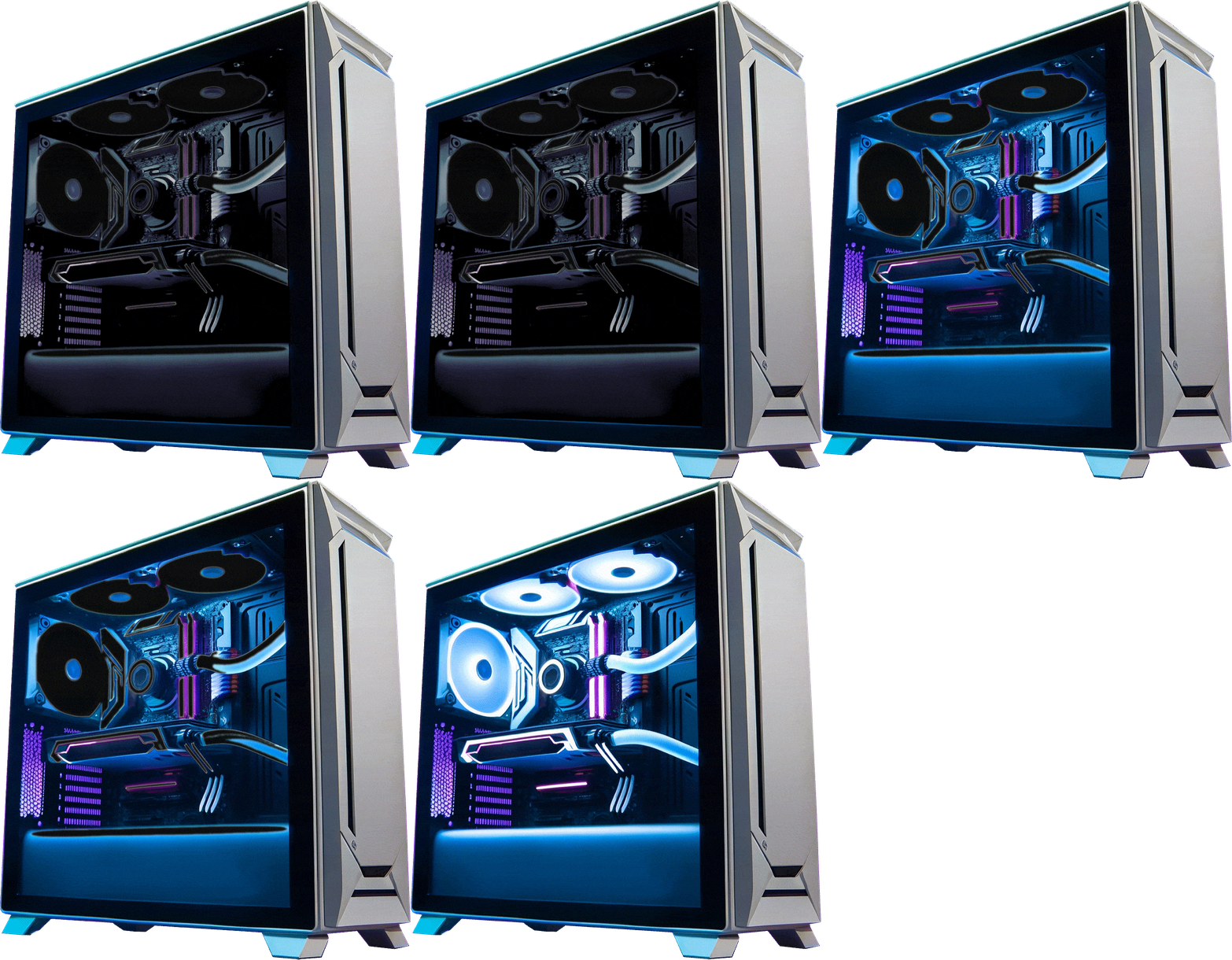

Best Laptops 2026 Top Picks For Every Budget Use Case Xthe Best Laptops 2026 Top Picks For Every Budget Use Case 750x350 . Futuristic Gaming Computer With New Technology Premium AI Generated Image Futuristic Gaming Computer With New Technology 731790 51244 . Top Computer Vision Conferences USA 2026 AI Events Computer Vision Conferences In USA 2026. Unleash Your Gaming Passion DEF 2026 Dubai Esports Festival Pc . Printable 2026 Calendar Computer Monitor 2026 Calendar Computer Monitor

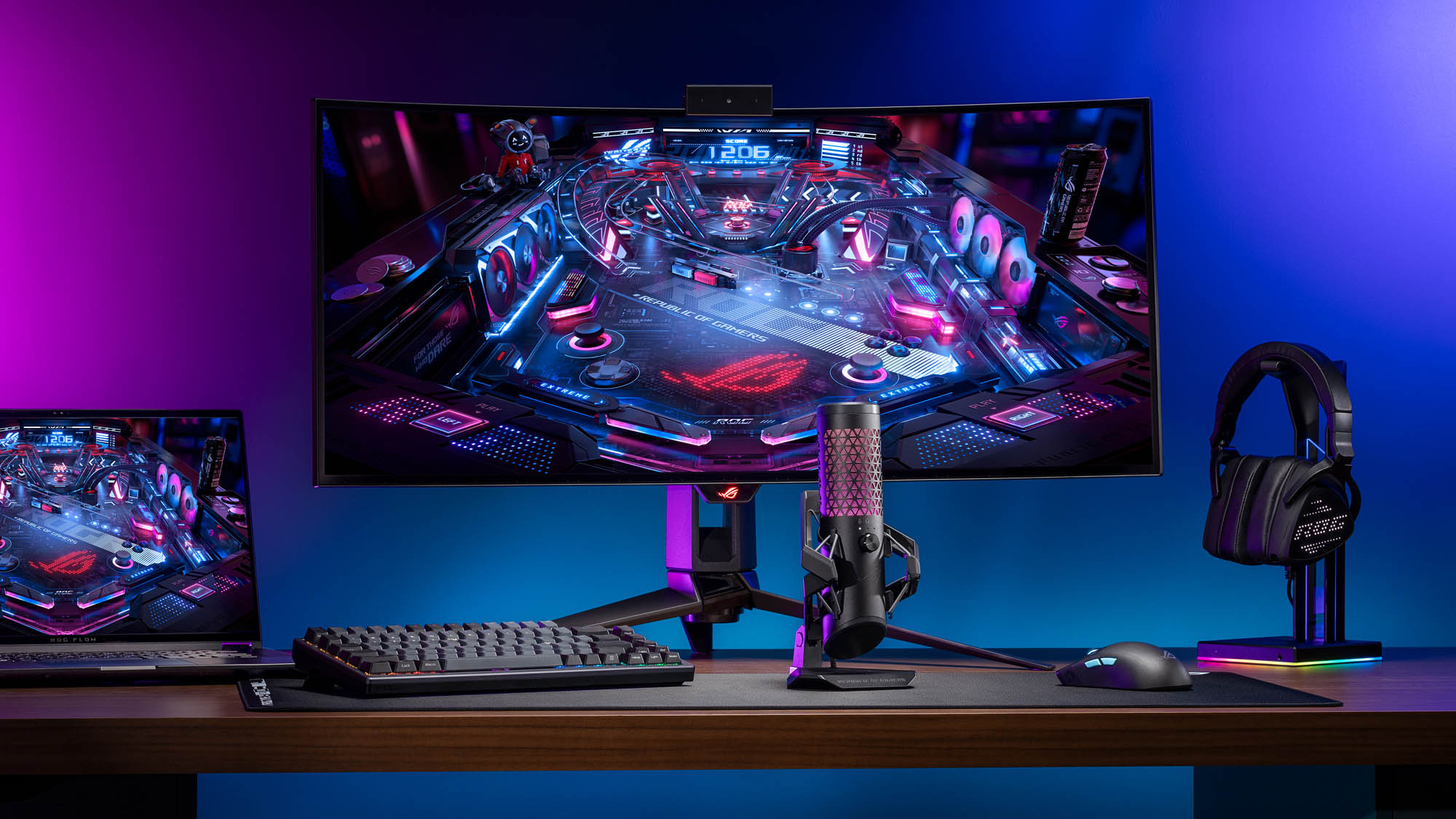

Pok Path TD Crashing On PC Try These 8 FIXES Artwork Of PokPathTD And Its Fix Of Crashing By TCG 1 . Dice A Million Crashing On PC Here S How To Fix It Artwork Of And Its Fix Of Crashing By TCG . Daftar Laptop Gaming Terbaru ASUS Yang Muncul Di CES 2025 Image 67 . Gaming Laptop Vs Desktop Which Kind Of Gaming PC Is Right For You . REVEALED Next Xbox OEM Console Coming 2026 Leaked Harware Details For