This comprehensive guide dives deep into the best puzzle games available on Steam for 2026. Discover a curated selection of brain-teasing adventures, from innovative Indie darlings to complex Strategy titles that will challenge your intellect. We explore new releases and timeless classics, offering insights into their unique mechanics, captivating narratives, and overall replayability. Learn how to optimize your experience, troubleshoot common issues like minor lag, and uncover hidden gems. Whether you are a beginner seeking an engaging mental workout or a seasoned pro looking for your next grand challenge, this article provides all the essential information. Get ready to enhance your problem-solving skills and explore virtual worlds filled with intriguing conundrums. This extensive resource is designed to help you navigate the vast Steam library, ensuring you find your perfect puzzle match and avoid any frame rate drops.
steam best puzzle games FAQ 2026 - 50+ Most Asked Questions Answered (Tips, Trick, Guide, How to, Bugs, Builds, Endgame)
Welcome to the ultimate living FAQ for the best puzzle games on Steam, meticulously updated for the latest trends and insights of 2026! Navigating the vast and ever-growing landscape of digital brain-teasers can be a puzzle in itself. This guide cuts through the noise, providing clear, concise, and expert answers to over 50 of the most frequently asked questions. Whether you're a newcomer seeking your first logical challenge or a veteran player hungry for advanced strategies and hidden gems, you'll find everything you need right here. We've covered everything from initial game selection and optimization tips to mastering complex mechanics, understanding community trends, and even peeking into the future of puzzle design. Get ready to elevate your puzzle-solving prowess!
Beginner Questions
How do I choose my first puzzle game on Steam?
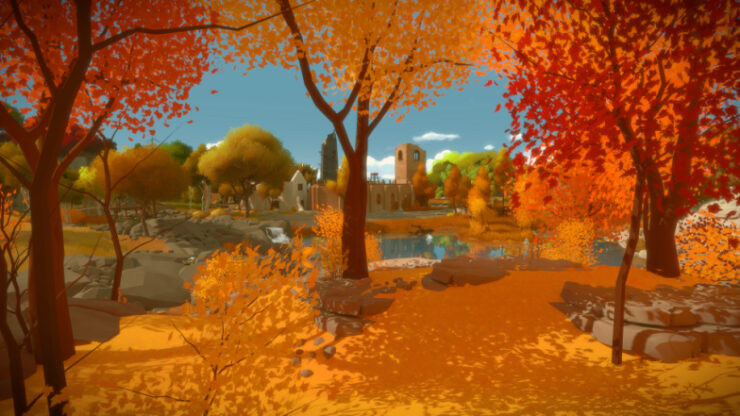
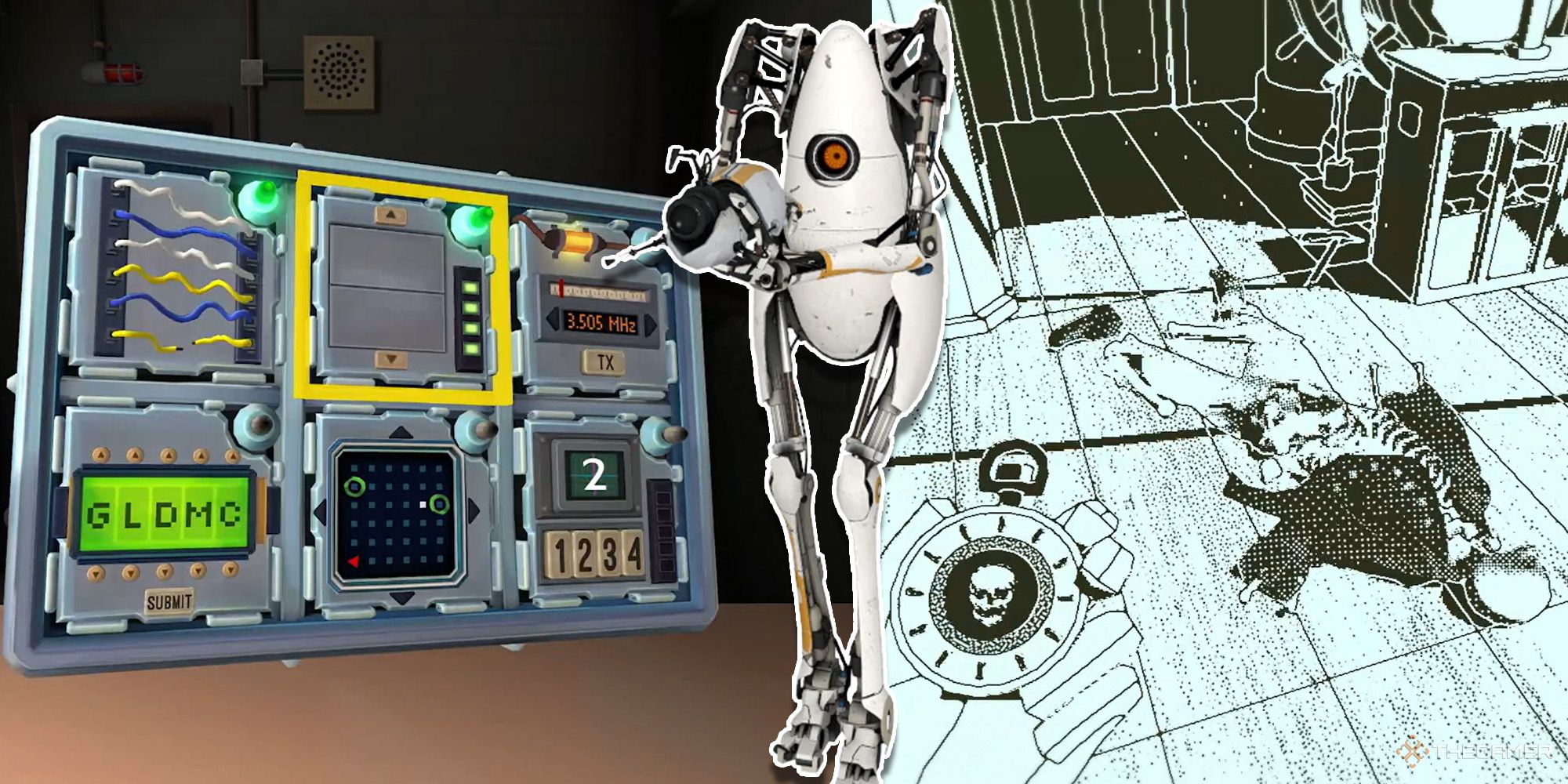
Start with critically acclaimed, accessible titles like Portal 2 or The Witness. These games gently introduce mechanics and gradually increase difficulty. Look for "Overwhelmingly Positive" reviews and engaging art styles to ensure a pleasant initial experience. Focus on games with clear objectives and helpful tutorials.
What are the essential tips for new puzzle game players?
Approach each puzzle with an open mind and patience. Don't be afraid to experiment with different solutions. Take short breaks if you get stuck; a fresh perspective often reveals the answer. Keep a notepad handy for complex patterns. Persistence is your greatest asset.
Are there family-friendly puzzle games suitable for all ages?
Absolutely! Many puzzle games offer engaging experiences for all ages. Titles like "Unpacking" or "Baba Is You" provide charming visuals and thought-provoking mechanics without mature themes. Look for cooperative puzzle games that families can enjoy solving together. Check game ratings and reviews for suitability.
How can I avoid getting frustrated with difficult puzzles?
Frustration is a common hurdle. Try stepping away from the game for a short period to clear your mind. Re-examine the puzzle rules and your assumptions. Sometimes watching a hint-free gameplay video or discussing with a friend can spark new ideas. Remember, it's about the journey, not just the solution.
Myth vs Reality: Are all puzzle games slow-paced?
Reality: While many are, not all puzzle games are slow-paced. Some, like "Human Fall Flat" or certain "Tetris" variations, require quick thinking and reflexes. There are also action-puzzle hybrids that blend fast-paced combat with clever environmental puzzles. The genre is diverse.
Game Mechanics & Strategies
What makes a puzzle game truly innovative in 2026?
Innovation in 2026 often comes from dynamic, AI-driven puzzle generation, offering infinite replayability. It also stems from unique cross-genre blending, integrating puzzle elements into RPGs or strategy games. Expect more procedural narrative and context-sensitive mechanics that adapt to player choices.
How can I improve my problem-solving skills for complex puzzles?
Practice diverse puzzle types regularly to develop a versatile toolkit. Learn to break down large problems into smaller, manageable parts. Analyze patterns, identify constraints, and think several steps ahead. Engaging with logic puzzles outside of gaming can also sharpen your mind significantly.
What are some advanced strategies for approaching non-linear puzzles?
For non-linear puzzles, prioritize understanding the overarching goal and available mechanics. Identify which puzzle segments are independent and which are interdependent. Sometimes solving a seemingly unrelated puzzle first can unlock a key insight for another. Don't be afraid to revisit areas.
When should I use community guides or walkthroughs?
Use guides as a last resort to prevent frustration from completely ruining your enjoyment. If you've spent significant time (e.g., 30-60 minutes) on a puzzle and feel genuinely stuck, a quick hint can restart your progress. Try to understand the solution's logic rather than just copying it.
Advanced Puzzles & Hidden Gems
What are some hidden gem puzzle games on Steam worth exploring?
Keep an eye out for titles like "The Witness," "Baba Is You," or less-known Indie gems like "Return of the Obra Dinn." These games offer unique premises and often deeply rewarding challenges. Dive into Steam's 'Indie' section and filter by 'Puzzle' and 'Overwhelmingly Positive' reviews.
How can I find truly challenging, 'pro-level' puzzle games?
Look for games known for their unforgiving logic or experimental mechanics, often developed by smaller studios. "La-Mulana 2" or "Stephen's Sausage Roll" are examples that demand extreme dedication and precise understanding. Check specialist puzzle game review sites for their 'hardest' lists.
Myth vs Reality: Are all good puzzle games expensive?
Reality: Absolutely not! Many of the best and most innovative puzzle games come from indie developers and are priced very affordably. Steam sales also frequently offer deep discounts on top-tier puzzle titles. Free-to-play options exist with surprising quality too.
What are the best puzzle games that incorporate unique story elements?
Games like "Outer Wilds" blend exploration and time loops with a compelling narrative puzzle. "Return of the Obra Dinn" uses deduction and observation to uncover a ship's mystery. "Portal 2" famously combines clever puzzles with an unforgettable story and humor. These titles elevate the genre.
Performance & Settings
How do I optimize game settings for smooth puzzle gameplay on PC?
Prioritize visual clarity over high-fidelity graphics. Turn off unnecessary effects like motion blur and chromatic aberration. Ensure your display drivers are updated for optimal performance. Adjust resolution and anti-aliasing to balance visual quality and consistent FPS, especially important for eliminating a Stuttering fix. A solid Settings optimization prevents lag.
What causes occasional stuttering or FPS drops in puzzle games?
Stuttering can stem from outdated graphics Drivers, background applications consuming resources, or insufficient RAM. It might also be poor game optimization or a conflict with other software. Check task manager for high CPU/GPU usage. A quick restart can often resolve minor FPS drop issues.
Myth vs Reality: Do puzzle games require a powerful gaming PC?
Reality: Most puzzle games are not graphically intensive, meaning they run well on modest PC setups. While a powerful PC enhances any game, a dedicated gaming rig is generally unnecessary for the majority of puzzle titles. Focus on stable drivers and efficient background processes.
Modding & Community
Are there active modding communities for popular Steam puzzle games?
Yes, many popular puzzle games, especially those with level editors like "Portal 2" or "Baba Is You," boast thriving modding communities. These communities create new levels, custom mechanics, and even total conversion mods. Check the Steam Workshop for your favorite titles to explore user-generated content.
How can I engage with other puzzle game enthusiasts?
Join official game forums, Discord servers, and subreddits dedicated to puzzle games. Participate in speedrunning communities or challenge runs. Sharing solutions, discussing strategies, and recommending new titles are great ways to connect with fellow players. Many online groups host friendly competitions.
Speedrunning & Challenges
What are the benefits of speedrunning a puzzle game?
Speedrunning transforms your understanding of a game, revealing optimal paths and hidden mechanics. It hones your precision, planning, and execution skills. It's a fantastic way to extend replayability and challenge yourself at a "Pro" level, discovering depths you never knew existed.
How do I start speedrunning my favorite puzzle game?
Begin by choosing a game you know intimately. Watch existing speedruns to learn common routes and glitches. Practice individual segments until they're perfect. Use a timer and recording software. Join the game's speedrunning community for support and shared knowledge. Consistency is key.
Myth vs Reality: Is speedrunning only for the elite "Pro" gamers?
Reality: While top-tier speedrunners are elite, speedrunning has categories for all skill levels. Many communities welcome beginners and offer "casual" categories. It's more about personal improvement and challenging yourself than always aiming for world records. Anyone can enjoy the strategic depth.
Story & Immersion
Can puzzle games offer deep, immersive narratives?
Absolutely. Titles like "Firewatch" (environmental puzzle/walking sim) or "Return of the Obra Dinn" (deduction puzzle) prove that narrative depth can be integral to the puzzle experience. The puzzles often serve to reveal lore, character motivations, or push the plot forward, creating profound immersion.
How do puzzle games use environmental storytelling effectively?
Environmental storytelling in puzzle games uses visual cues, object placement, and subtle background details to convey lore and narrative without explicit dialogue. Players piece together the story by observing their surroundings and understanding the context of the puzzles. Every element can be a clue.
Co-op Puzzles & Multiplayer
What are the best co-op puzzle games on Steam for friends?
For fantastic co-op experiences, look no further than "Portal 2" (its dedicated co-op campaign is legendary) or "We Were Here" series for escape-room style challenges. "It Takes Two" also features innovative co-op puzzle sections. These games emphasize communication and teamwork, making for memorable sessions.
How do multiplayer puzzle games foster teamwork and communication?
Multiplayer puzzle games are often designed so that no single player has all the information or abilities needed to solve a puzzle. This forces players to communicate, describe their environment, and coordinate actions. Effective teamwork is essential for progress, building strong collaborative skills.
Future Trends & Innovation (2026)
What cutting-edge technologies are influencing puzzle games in 2026?
In 2026, generative AI is creating dynamic, adaptive puzzles tailored to player skill. VR and AR are enhancing immersion with haptic feedback and real-world integration. Cloud gaming infrastructure allows for more complex, server-side puzzle computations, pushing graphical and logical boundaries for a better FPS experience.
How will AI-generated content change puzzle game replayability?
AI-generated content will offer virtually infinite replayability by constantly creating fresh, unique puzzles. It ensures that players never run out of new challenges, extending game lifespans significantly beyond traditional development cycles. This allows for endless variations on core mechanics, adapting to individual player preferences and skill. This is a crucial Strategy for longevity.
Myth vs Reality: Will AI replace human puzzle game designers entirely by 2026?
Reality: No. While AI assists heavily in generation and testing, human designers remain crucial for injecting creativity, thematic coherence, and emotional resonance. AI is a powerful tool to augment design, not replace the nuanced artistic vision and storytelling that makes a puzzle game truly captivating. It’s a collaboration.
Bugs & Fixes
What are common bugs in puzzle games and how do I fix them?
Common bugs include visual glitches, unresponsive puzzle elements, or progression blockers. First, ensure your game is updated. Verify game files through Steam. Update graphics drivers. If the issue persists, check community forums or the developer's support channels for specific fixes or workarounds. Often, simple troubleshooting solves many issues like a Stuttering fix or minor Lag.
What should I do if a puzzle game crashes frequently?
Frequent crashes often indicate a system-level issue or a specific game bug. Update your graphics card Drivers, verify game file integrity on Steam, and ensure your operating system is current. Try running the game in compatibility mode or as an administrator. Monitor your system's temperature. If crashes persist, contact the game's support team.
Still have questions?
The world of Steam puzzle games is constantly expanding and evolving, offering endless brain-teasing delights. We hope this comprehensive FAQ has illuminated your path and helped you discover new challenges and insights. Don't hesitate to dive into the games mentioned or explore other recommendations from the vibrant Steam community. For more in-depth discussions on game optimization or specific puzzle game reviews, check out our related guides: 'Optimizing Your PC for Peak Gaming Performance' and 'Top Indie Games of 2026: A Deep Dive'. Happy puzzling!
Hey there, fellow brainiacs and puzzle enthusiasts! Ever find yourself asking, "What are the absolute best puzzle games on Steam right now, especially looking ahead to 2026?" I get it. The sheer volume of amazing titles can be overwhelming, making it tough to pick your next mental workout. But don't you worry, because we're about to dive deep into the fantastic world of Steam's top puzzle game offerings. We're talking about those games that truly stick with you, the ones that challenge your thinking and provide that incredibly satisfying 'aha!' moment. From intricate logic puzzles to captivating narrative-driven experiences, Steam truly has it all for every type of player.
We will explore some cutting-edge releases and also revisit some timeless classics that continue to captivate players. This guide aims to help both beginners and seasoned puzzle pros find their next obsession. We are going to break down what makes these titles stand out, provide practical tips, and even touch upon how to ensure your gaming rig is perfectly optimized for a smooth, lag-free experience. After all, nobody wants a frame drop in the middle of solving a critical puzzle! Let's get cracking and find your next favorite puzzle adventure together.
Beginner / Core Concepts
1. Q: What's the best way to get started with puzzle games on Steam if I'm new?
A: I get why this can feel a bit daunting, right? The key is to start with something approachable that eases you into the mechanics. Think about titles like Portal 2, which cleverly introduces concepts, or perhaps The Witness, offering a gentle learning curve initially. These games don't throw you into the deep end immediately. You want to build confidence and understand core puzzle design principles before tackling complex strategies. Many indie puzzle games are perfect for beginners. Don't worry if you get stuck, that's part of the fun, just enjoy the learning process. It truly helps to experiment with different types of puzzles. You've got this!
2. Q: How do I find highly-rated indie puzzle games on Steam without getting overwhelmed?
A: This one used to trip me up too, honestly, because the Steam store is a jungle! My go-to method is to use Steam's "Tags" and "User Reviews" features. Filter by "Puzzle" and "Indie," then sort by "Overwhelmingly Positive" reviews. You can also check out curator pages that focus specifically on puzzle or indie titles. They often highlight hidden gems that might otherwise go unnoticed. Don't be afraid to read a few reviews to gauge if a game's style aligns with your preferences. Sometimes a game’s art style tells you a lot about its approach. Finding a good Review is essential. This strategy helps cut through the noise significantly. Try this tomorrow and let me know how it goes.
3. Q: Are there free-to-play puzzle games on Steam that are actually good?
A: Absolutely, and it's a valid question because "free-to-play" sometimes raises a red flag! While premium titles often dominate, there are surprisingly polished free puzzle experiences available. Look for community-driven games or older classics sometimes released for free. Often, these are excellent for a casual play session. Keep an eye on limited-time promotions as well, where paid games briefly become free. Checking Steam’s "Free to Play" section and then filtering by "Puzzle" can yield some interesting results. You might be surprised by the quality you find. Just remember that some might have optional microtransactions.
4. Q: My PC lags sometimes when playing even simple puzzle games. What could be causing this?
A: Oh, that's incredibly frustrating, especially for a puzzle game where precision matters! Even simple games can have poor optimization or be surprisingly demanding. Often, this is down to outdated graphics Drivers, background applications hogging resources, or even just needing a quick Settings optimization tweak. Make sure your operating system and graphics drivers are up-to-date. Try closing unnecessary programs running in the background. A quick restart often clears up minor performance issues. For consistent Stuttering fix, check the game's specific forums, as others might have found solutions. Sometimes a game might just be poorly optimized for your particular hardware. You’ll definitely want to check that your FPS isn't dropping unexpectedly.
Intermediate / Practical & Production
1. Q: What are some effective strategies for tackling notoriously difficult puzzle games?
A: I get why this confuses so many people, especially when a puzzle feels truly insurmountable! The best strategy for difficult puzzle games usually involves taking breaks and approaching the problem from different angles. Don't stare at the same screen for hours. Step away, clear your head, and come back fresh. Jotting down notes or drawing diagrams can reveal patterns you missed. Sometimes, explaining the problem out loud to an imaginary friend or pet helps clarify your thoughts. Remember, these games are designed to test your limits. Perseverance and creative thinking are your best tools. Thinking outside the box is key.
2. Q: How do I spot a genuinely innovative puzzle game among many similar-looking ones?
A: This is a fantastic question, and it's something Pro reviewers constantly grapple with! Innovation in puzzle games often lies in subverting expectations or introducing a fresh mechanic that hasn't been widely explored. Look for games where the core mechanic feels unique, not just a twist on an existing one. Read reviews carefully, especially those that highlight the "hook" or "gimmick." Watch gameplay trailers for longer than thirty seconds to see how mechanics evolve. A truly innovative game usually has a strong, consistent thematic tie to its unique puzzles. It's about more than just aesthetics; it's about how you interact with the world.
3. Q: What role do community guides and walkthroughs play in solving complex puzzles, and when should I use them?
A: This one used to trip me up too, figuring out when to cave and look for a Guide! Community guides are invaluable tools, but knowing *when* to use them is crucial for preserving the fun. I recommend trying to solve a puzzle for at least 30-60 minutes on your own. If you're truly stuck and feel frustration replacing enjoyment, a quick peek at a Walkthrough can unblock you. Don't just copy the solution; try to understand the *reasoning* behind it. Sometimes, just seeing the first step is enough to get your mind working again. It's about using them as a learning aid, not a crutch. This helps maintain the challenge.
4. Q: Are there specific game Settings optimization tips for puzzle games to improve clarity and reduce eye strain?
A: Oh, absolutely, and it's super important for those long puzzle sessions! For puzzle games, clarity and comfort are paramount. You'll want to prioritize anti-aliasing to smooth out jagged edges, and consider adjusting brightness and contrast for optimal visibility of subtle clues. Disabling motion blur is almost always a good idea in puzzle games, as it can hinder precision. If your monitor supports it, consider a higher refresh rate for smoother visuals, even if the FPS isn't super high. Reducing visual noise allows you to focus purely on the puzzle. Keeping your display drivers updated also helps here. Small changes can make a big difference for your eyes.
5. Q: How can I get better at logical deduction for more abstract puzzle challenges?
A: Getting better at logical deduction is a skill that translates beyond gaming, and you absolutely can improve it! Practice is key, but also consciously analyzing the rules and constraints of each puzzle. Try breaking complex problems into smaller, manageable parts. Look for patterns, inconsistencies, and what *cannot* be true. Many players find that keeping a mental checklist or even physical notes helps process information. Play a variety of puzzle types, especially those focusing on pure logic like Sudoku or nonograms outside of Steam. The more you exercise that specific part of your brain, the stronger it becomes. It is like building a mental muscle.
6. Q: What are the benefits of Speedrunning puzzle games, and how do I get started?
A: Speedrunning puzzle games might sound counterintuitive, but it's an amazing way to master a game and see it from a completely new perspective! The benefit is truly understanding the optimal path and mechanics, transforming the game from a test of logic to a test of execution. To start, pick a game you already know well. Watch existing Speedrun videos to learn routes and tricks. Practice individual sections until they are flawless. Tools like timers and capture software are helpful. Join a game's speedrunning community; they're incredibly supportive. It's a challenging but rewarding "Pro" level activity. You'll develop incredible muscle memory and strategic insight.
Advanced / Research & Frontier 2026
1. Q: What are developers exploring in 2026 for next-gen puzzle game mechanics, perhaps leveraging new tech like VR?
A: This is where things get truly exciting in 2026! Developers are heavily leveraging advanced AI for dynamic, procedurally generated puzzles that adapt to player skill, offering infinite replayability. We're seeing more VR puzzle games that use haptic feedback and spatial awareness in innovative ways, creating truly immersive experiences. Imagine feeling the weight of puzzle pieces or manipulating complex contraptions with realistic tactile responses. Mixed Reality is also a frontier, blending virtual puzzles with your physical environment. Expect puzzles that react to your voice or even your emotional state through biofeedback. The future of puzzle design is incredibly interactive and personalized. These frontier models are changing everything.
2. Q: How do modern reasoning models (like o1-pro, Claude 4) influence puzzle game design or even create puzzles?
A: This is a fascinating intersection of AI and game design, a huge topic in 2026! Modern reasoning models like o1-pro and Claude 4 are revolutionizing puzzle game creation. They can generate incredibly intricate and logically sound puzzles, often beyond human design capability, by understanding complex rulesets and constraints. Developers use them to test puzzle difficulty, identify unintended solutions, and even dynamically adjust puzzle parameters in real-time based on player performance. Imagine an AI generating a unique puzzle just for you, tailored to your strengths! This pushes the boundaries of game complexity and personalization, offering an endless supply of novel challenges. It's a game-changer.
3. Q: What are common pitfalls for new puzzle game developers using advanced AI, and how can they avoid them?
A: That's an excellent question for anyone looking to enter this space. A big pitfall is over-relying on AI to generate puzzles without human oversight, leading to puzzles that are technically solvable but lack elegance, fun, or a clear "aha!" moment. Another is creating puzzles so complex only the AI understands them, making them opaque to players. Developers need to use AI as a tool, not a replacement for human creativity. Focus on clear rule communication and player feedback. Playtesting extensively with human players is crucial to ensure the AI-generated content is actually enjoyable and fair. It's about finding that sweet spot.
4. Q: How do players push the boundaries of established puzzle game mechanics through speedrunning or community challenges?
A: Players are incredibly inventive, aren't they? They consistently push boundaries by exploiting game mechanics in ways developers never intended, often through Speedrun or community challenges. They discover "sequence breaks," finding alternate, faster ways to solve puzzles or skip entire sections. This often involves deep dives into game physics, glitches, and precise timing. The community often organizes complex "category extensions" for speedruns, like "100% completion" or "glitchless" runs, which force new strategies. These pro-level players reveal hidden depths in games, inspiring developers and fellow players alike. It's a beautiful, emergent form of gameplay innovation.
5. Q: What constitutes "endgame" content in puzzle games, and how is it evolving in 2026?
A: That's a great thought. For many puzzle games, "endgame" traditionally meant mastering all puzzles or finding all secrets. In 2026, it's evolving significantly. We're seeing more post-launch content like daily challenges, community-created puzzle editors, and competitive leaderboards with seasonal resets. Some games are even integrating generative AI to create endless new puzzle variations, offering true infinite replayability. Think about systems where you can share your custom-designed puzzles globally. The focus is shifting from a definitive "end" to a continuous, evolving challenge and community engagement, keeping players hooked long after the main story concludes. It truly gives endless replayability.
Quick 2026 Human-Friendly Cheat-Sheet for This Topic
- Don't bash your head against a single puzzle; take a break, seriously! Your brain needs a reset.
- Embrace the 'Indie' scene on Steam; it's a goldmine for innovative puzzle experiences.
- Always check user reviews and tags. "Overwhelmingly Positive" is your friend for quality picks.
- Keep your PC drivers updated and close background apps for optimal puzzle-solving focus – no lag allowed!
- Consider experimenting with Speedrun techniques to truly master a game and understand its mechanics deeply.
- Don't be afraid to peek at a Walkthrough if you're truly stuck, but try to understand *why* the solution works.
- The future (2026!) is all about AI-generated, personalized puzzles and immersive VR experiences; keep an eye out!
Explore 2026s top Steam puzzle games, discover hidden Indie gems, master advanced strategies, troubleshoot game performance issues, and find the perfect brain-teaser for every skill level.
35


20 Best Puzzle Games On Steam To Play In 2026 Cozy Game Reviews Spirit Swap Winning Against Pookie 1536x960 . 10 Best Puzzle Games On Steam January 2026 Gaming Net Steam Puzzle Game Jan 2026 1536x864 . 20 Best Puzzle Games On Steam To Play In 2026 Cozy Game Reviews Feature Img 13 1024x576 . Best Puzzle Games On Steam Screen Hype Best Steam Puzzle Games . 22 Best Puzzle Games To Solve In 2026 Blog Creative 4514633

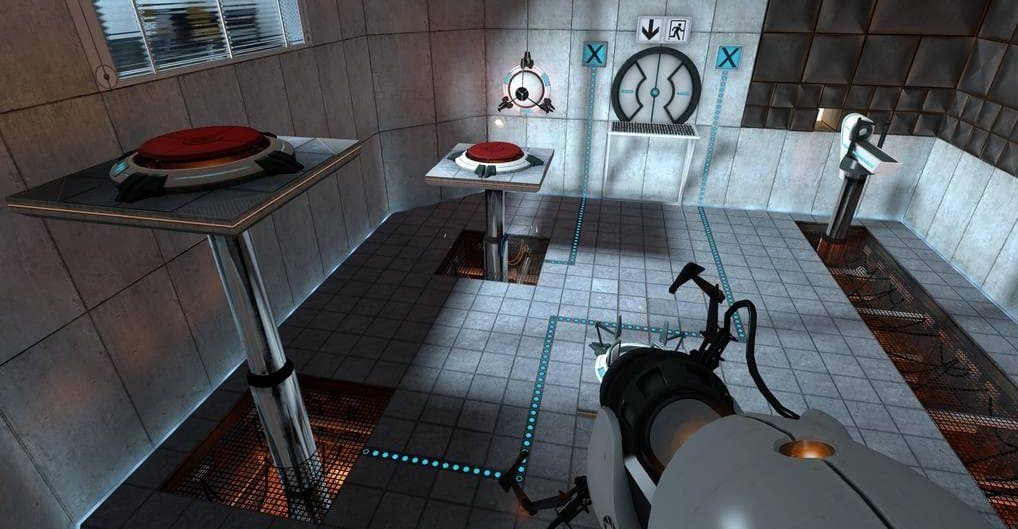
20 Best Puzzle Games On Steam To Play In 2026 Cozy Game Reviews Opus Magnum Screenshot 1 . The 20 Best Puzzle Games On Steam The Witness Steam Puzzle 740x416 . 20 Best Puzzle Games On Steam To Play In 2026 Cozy Game Reviews Lyne Screenshot 1 . Top 10 Best Puzzle Games On Steam YouTube . The 70 Best Puzzle Games On Steam Ranked Pc Puzzle Games



Best Free Puzzle Games On Steam YouTube . The Best Free Steam Games For 2026 The Absolute Best Steam Games For 2026 Vg5m.640 . TOP 50 BIGGEST NEW Games Coming In 2026 With Crazy NEXT GEN 4K Graphics . Best Steam Games For Adults 2026 Edition LRDev Games 1.Best Turn Based RPG Games On Steam.webp. TOP 40 BIGGEST NEW Games Coming In 2026 With Crazy NEXT GEN 4K Graphics


25 Puzzle Games Previewed From Steam Next Fest Feb 2024 YouTube . Top 10 Most Anticipated Games Of 2026 What To Watch Out For GAMES IN 2026 . My Current Steam Wishlist 2025 2026 New Games YouTube . Best Point And Click Games To Play In 2024 10 Best Adventure Puzzle Games On Steam . Story Puzzle Games PC And Steam Keys Page 4 Fanatical 8317aa1b 9956 475d 9bcd Jpeg


Steam Drops Free Download For Gorgeous New 2026 Game Resize. Puzzle Games PC And Steam Keys Page 5 Fanatical 1885178d A785 43c4 A27d Jpeg. Best Puzzle Games To Play On PC In 2022 YouTube . Best Puzzle Games On Steam 2020 Update YouTube . Best Puzzle Game 2022 Strange PC Gamer


Best Steam Games For Adults 2026 Edition LRDev Games 1.Best RPG Games On Steam.webp. Top 10 Puzzle Games On Steam 2021 Update YouTube . When Is The Skate Early Access Release Date GamesRadar . Steam S 2024 Winter Sale Is Live PC Gamer . Before Steam Puzzle Fest Ends You Need To Check Out The Demo For The


Steam Games With The Most Best Puzzle Games On Steam . Best Puzzle Games On Steam That Deserve More Attention Collage Maker 04 Aug 2022 1054 PM . The Best Mind Twisting Puzzle Games You Can Play On PC Best Puzzle Games 768x402 . TOP 21 NEW Upcoming Games Of 2026 YouTube . The 15 Best Real Time Strategy RTS Games Coming In 2026 Top 10 Most Wishlisted Strategy Games On Steam In 2026