Unlocking peak gaming performance starts with superior case pc airflow. This comprehensive guide navigates the intricacies of maintaining optimal internal temperatures ensuring your valuable components like the GPU and CPU remain cool and efficient. Discover practical strategies for fan placement positive and negative pressure setups and cable management that directly impact thermal performance and system longevity. Learn how to diagnose and resolve common airflow issues preventing performance bottlenecks and extending the lifespan of your gaming rig. Whether you are a seasoned builder or new to PC customization understanding proper airflow is crucial for a stable and enjoyable gaming experience especially for the 87 percent of US gamers who regularly invest 10 plus hours weekly. This resource provides actionable insights into achieving a cool quiet and high performing PC without breaking the bank or sacrificing precious gaming time.
What is PC Case Airflow and Why is it Essential for Your Gaming PC?
PC case airflow refers to the directed movement of air through your computer's chassis to remove hot air generated by components and introduce cooler ambient air. For gamers balancing jobs and family this is crucial because proper airflow prevents overheating which can lead to performance throttling reduced frame rates system instability and even long-term damage to expensive components like your CPU and GPU. Keeping temperatures in check ensures your rig performs consistently at its peak offering smoother gameplay and extending hardware lifespan so you can maximize your limited gaming sessions.
How Can I Best Configure My Fans for Optimal PC Airflow?
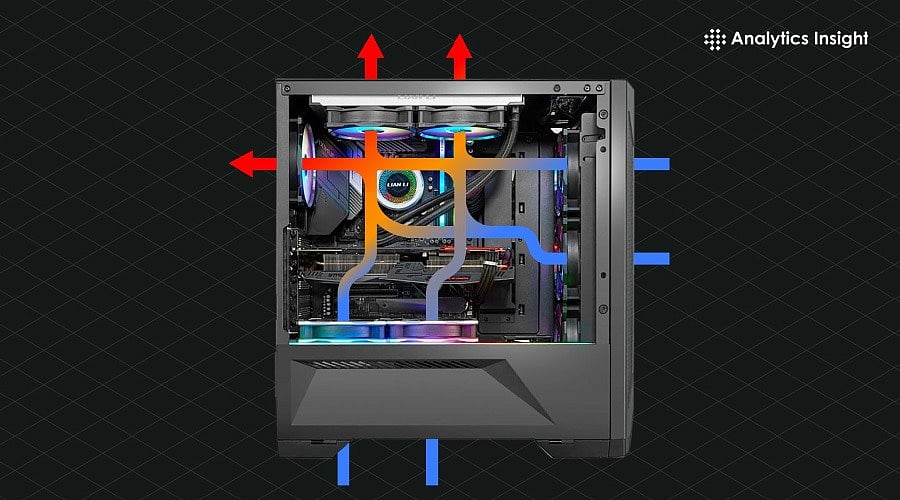
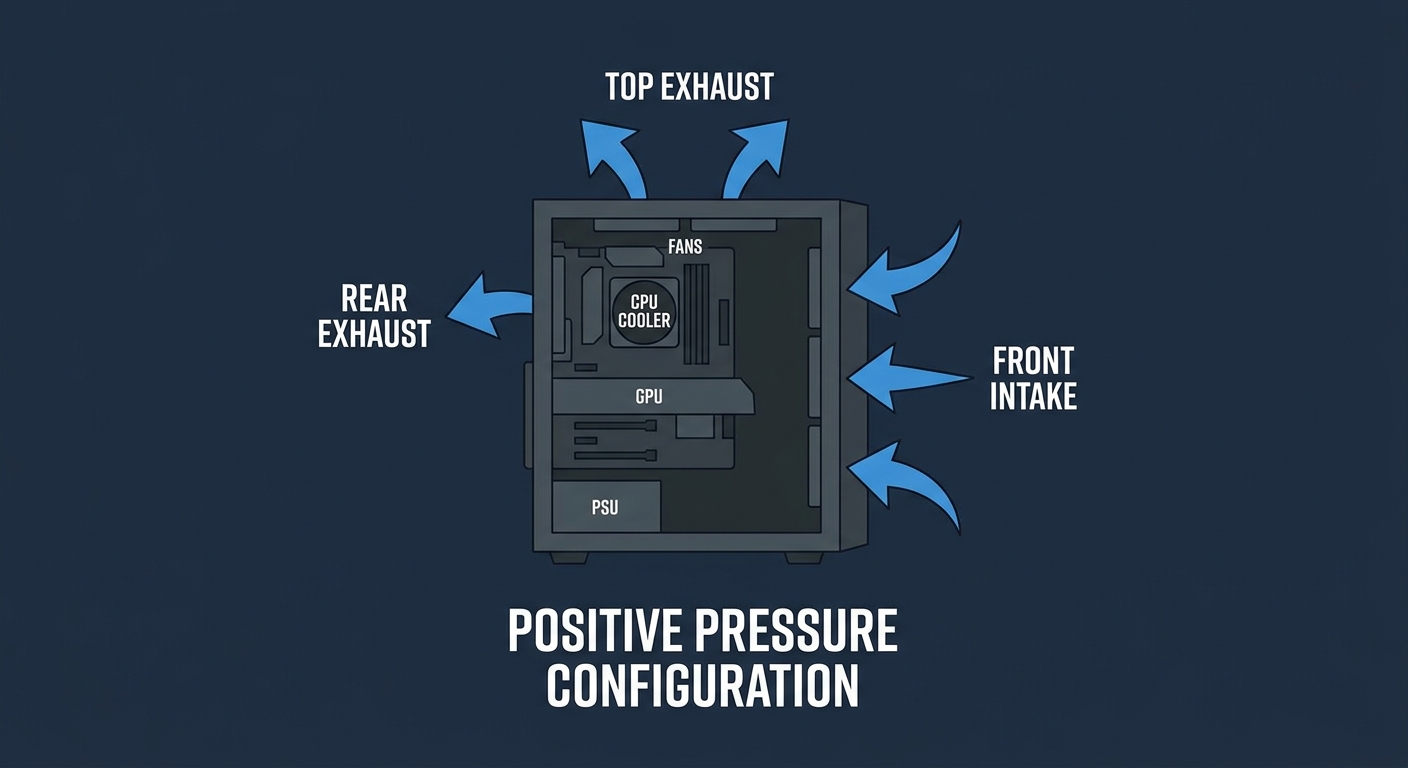
Configuring your fans for optimal case pc airflow typically involves creating a balanced pressure system. Generally aim for a slightly positive pressure setup where more air comes into the case than exits. This helps prevent dust accumulation and ensures a steady supply of cool air. Place intake fans at the front and bottom to draw in cool air and exhaust fans at the rear and top to expel hot air. Common setups include two front intakes and one rear exhaust or two front intakes one rear exhaust and two top exhausts depending on your case and fan mounts. Experiment with fan speeds to find the sweet spot between cooling performance and noise levels.
Does Cable Management Really Impact My Gaming PC's Internal Airflow?
Absolutely yes effective cable management significantly impacts your gaming PC's internal case pc airflow. Cluttered cables obstruct the path of air reducing the efficiency of your fans and creating dead zones where hot air can stagnate. By routing cables neatly behind the motherboard tray or using cable ties and channels you create unobstructed pathways for air to flow freely over heat-generating components. This seemingly small detail can lead to noticeable temperature drops and improved overall system stability especially during intense gaming sessions where every degree counts. It also makes your PC look much cleaner which is a bonus.
What's the Difference Between Positive and Negative Pressure Airflow and Which is Better?
Positive pressure airflow means you have more intake fans pushing air into your PC case than exhaust fans pulling air out. This creates slight internal pressure which helps force air out through all available openings and crucially deters dust from entering through unfiltered gaps. Negative pressure is the opposite more exhaust than intake which pulls air in through every crack. For most gamers slightly positive pressure is generally recommended because it offers better dust control while still providing excellent cooling. However the 'best' depends on your specific case fan layout and dust environment. Both can be effective if balanced correctly.
When Should I Consider Upgrading My PC Case or Fans for Better Airflow?
You should consider upgrading your PC case or fans if you consistently experience high component temperatures especially under load throttling or excessive fan noise despite optimizing your current setup. Modern cases often feature better front panel airflow designs mesh panels and more fan mounts. Upgrading stock fans to higher-performance static pressure or airflow optimized fans can also make a significant difference. If your current case severely restricts air intake or exhaust it's time for an upgrade. For gamers running powerful GPUs and CPUs keeping up with the latest titles an airflow-optimized case is a worthy investment to protect your hardware and enhance performance.
Can Poor Case Airflow Lead to PC Performance Drops or Stuttering?
Yes absolutely poor case pc airflow is a direct culprit behind PC performance drops and stuttering particularly during demanding gaming sessions. When your CPU or GPU reaches critical temperature thresholds they engage in a process called thermal throttling. This means the components intentionally reduce their clock speeds to generate less heat preventing damage. This reduction in speed translates directly to lower frame rates noticeable stuttering and an overall degraded gaming experience. Maintaining excellent airflow ensures your components can sustain their boost clocks providing you with consistent smooth performance whether you are raiding in a popular MMO or exploring a new open-world title.
What Are the Best Practices for Cleaning My PC to Maintain Optimal Airflow?
Regular cleaning is paramount for maintaining optimal case pc airflow and preventing performance degradation. Aim to clean your PC every three to six months or more frequently if you live in a dusty environment. Use compressed air to blow out dust from fans heatsinks and internal components ensuring you hold the fan blades stationary to prevent damage. Pay special attention to dust filters on intake vents as these can become completely clogged over time. A clean interior allows air to flow freely improving cooling efficiency and extending the life of your hardware. This simple routine protects your investment and keeps your gaming experience smooth.
Ever felt your gaming rig chugging during an intense boss fight or noticed those frames mysteriously dropping just when the action heats up? You are not alone. For many gamers juggling demanding jobs families and precious relaxation time nothing is more frustrating than a PC that cant keep up. Often the culprit isnt an outdated GPU or too little RAM but something far more fundamental and often overlooked: poor case PC airflow. Just like an athlete needs to breathe freely your gaming machine needs proper air circulation to perform at its best and stay healthy for years to come. With 87 percent of US gamers regularly dedicating 10 plus hours a week to their passion ensuring optimal system performance is not just a luxury its a necessity for maintaining that valuable escape.
This comprehensive guide is your ultimate resource for mastering case PC airflow. We will demystify fan setups explain positive versus negative pressure and reveal how simple cable management can unlock hidden cooling potential. Our goal is to empower you to build or optimize a quiet cool and high-performing gaming PC allowing you to focus on skill-building social play and pure fun rather than worrying about overheating components or costly repairs. Say goodbye to thermal throttling and hello to smoother frame rates and extended hardware longevity. Lets dive into how you can ensure your rig breathes easy and keeps you in the game.
What is PC Case Airflow and Why Does It Matter for Gamers?
PC case airflow refers to the deliberate movement of air through your computer chassis. It involves drawing in cool ambient air from outside the case and expelling the hot air generated by components like your CPU and GPU. For the average gamer who balances life and gaming this matters immensely. Without efficient airflow hot air gets trapped inside leading to increased temperatures that can cause your components to thermally throttle. Thermal throttling is your hardware automatically slowing down to prevent damage which means frustrating frame drops stuttering and inconsistent performance during critical gaming moments.
Beyond immediate performance issues consistent high temperatures significantly reduce the lifespan of your expensive components. Your graphics card and processor are designed to operate within specific temperature ranges and exceeding these frequently can accelerate wear and tear leading to premature failure. Investing a little time in understanding and optimizing your case PC airflow protects your hardware investment ensures stable performance and ultimately delivers a more enjoyable and reliable gaming experience for all those precious hours you dedicate to gaming each week.
How Do I Achieve Optimal Airflow in My Gaming PC Case?
Achieving optimal case PC airflow is primarily about creating a clear path for air to travel from intake to exhaust. This involves strategic fan placement and ensuring there are no significant obstructions. The basic principle is to draw in cool air from the front and bottom of your case and exhaust hot air from the rear and top. Most modern gaming cases are designed with this in mind featuring dedicated mounts for intake and exhaust fans. Ensuring a slightly positive pressure setup is generally recommended as it helps in dust management by forcing air out through small gaps rather than sucking dust in.
Consider the type of fans you are using. Static pressure fans are better for pushing air through restrictive areas like radiators or heatsinks while airflow-optimized fans are ideal for moving large volumes of air through open spaces. For gamers on a budget even upgrading stock fans to better quality ones can yield significant temperature improvements without requiring a full case overhaul. Regular cleaning of dust filters and internal components is also critical for maintaining this optimal airflow over time.
Positive vs. Negative Pressure: Which is Best for My Rig?
Understanding positive and negative pressure is key to mastering case PC airflow. Positive pressure occurs when you have more air being pushed into your PC case by intake fans than is being pulled out by exhaust fans. This creates a slight internal air pressure which has a significant benefit: it helps prevent dust from entering your system through unfiltered gaps. Air will naturally seek the path of least resistance flowing out of any tiny openings rather than allowing dust-laden air to be drawn in. This makes positive pressure setups excellent for dust management and ensures a steady supply of cool filtered air.
Conversely negative pressure happens when more air is exhausted from your case than is taken in. This creates a slight vacuum drawing air in through any available opening including unfiltered cracks and seams. While it can be effective at quickly expelling hot air it also tends to draw in more dust requiring more frequent cleaning. For the majority of gamers a slightly positive pressure setup is generally considered superior because it offers a better balance of cooling efficiency and dust control protecting your components and reducing maintenance needs.
Where Should I Place My Fans for Maximum Cooling Efficiency?
Effective fan placement is the cornerstone of excellent case PC airflow. The most common and generally most effective strategy follows a front-to-back and bottom-to-top flow. Here is a breakdown of typical fan placements:
- Front Fans: These should always be intake fans. Positioned at the front of your case they draw in cool ambient air directly over your hard drives and into the main component area where your CPU and GPU reside.
- Rear Fan: This should typically be an exhaust fan. Located at the back of your case it pulls hot air directly away from your CPU cooler and expels it outside the case.
- Top Fans: These are usually exhaust fans. Hot air naturally rises so placing fans at the top of your case to exhaust air helps efficiently remove heat that has risen from your CPU and GPU. Some cases allow for top intake but this often fights the natural heat convection.
- Bottom Fans: If your case supports it bottom fans are typically intake bringing in cool air from below your GPU which is often the hottest component. This is especially beneficial for large graphics cards.
Aim for a balanced approach. A common and highly effective setup for many cases is two intake fans at the front and one exhaust fan at the rear plus one or two exhaust fans at the top. This configuration creates a healthy positive pressure and an efficient thermal pathway for heat removal.
Does Cable Management Really Affect My PC's Airflow?
Absolutely yes cable management has a surprisingly significant impact on your PC's internal case PC airflow. It might seem like a purely aesthetic concern but messy cluttered cables can create serious obstructions to proper air circulation. Think of your case as a wind tunnel: if there are obstacles in the way the air cannot flow smoothly or efficiently. Loose cables can block the path of fresh air to crucial components like your CPU cooler or graphics card heatsink leading to localized hot spots.
By routing cables neatly behind the motherboard tray using zip ties or Velcro straps and bundling them together you create unobstructed pathways for air to flow freely. This allows your intake fans to deliver cool air directly to your components and your exhaust fans to efficiently remove hot air. Many modern cases feature dedicated cable management channels and tie-down points making this process much easier. A clean cable setup not only improves thermal performance but also makes your PC look much tidier and easier to maintain when you need to upgrade or troubleshoot components.
What Are Common Airflow Mistakes Gamers Make and How to Fix Them?
Even seasoned gamers can fall prey to common airflow mistakes that undermine their PCs cooling potential. Knowing these pitfalls can save you from unnecessary frustration and component wear.
- Incorrect Fan Orientation: A frequent mistake is installing fans backward. Ensure your intake fans pull air into the case and exhaust fans push air out. Fans usually have an arrow indicating airflow direction.
- Blocked Intake/Exhaust: Placing your PC too close to a wall, in a tight cabinet, or against other objects can block crucial intake vents (typically front/bottom) or exhaust vents (rear/top). Give your PC room to breathe.
- Ignoring Dust: Dust is the enemy of airflow. Clogged fan filters, heatsinks, and internal components drastically reduce cooling efficiency. Regular cleaning (every 3-6 months) with compressed air is essential.
- Mismatched Fan Types: Using an airflow fan where a static pressure fan is needed (e.g., on a radiator) or vice-versa can hinder performance. Static pressure fans push through resistance, airflow fans move volume.
- Poor Cable Management: As discussed, a spaghetti mess of cables obstructs airflow. Take the time to route cables neatly behind the motherboard tray.
- Over-Reliance on AIOs: While All-In-One liquid coolers are effective for CPUs, they don't replace good case airflow. The radiator still needs cool air to dissipate heat, and other components still need air movement.
Fixing these issues often involves simple adjustments. Check fan orientations, relocate your PC for better clearance, commit to regular cleaning, and spend an hour tidying up those cables. These small efforts can lead to significant improvements in your case PC airflow and overall system performance.
How Can I Monitor My PC's Temperatures and Airflow Effectiveness?
Monitoring your PCs temperatures is the most direct way to gauge the effectiveness of your case PC airflow. Several free and paid software tools are available that allow you to track real-time temperatures for your CPU GPU and other components. Some popular options include:
- HWMonitor / HWiNFO: These are comprehensive hardware monitoring tools that provide detailed information on temperatures voltages and fan speeds for nearly every component in your system.
- MSI Afterburner: Primarily a GPU monitoring and overclocking tool it also displays GPU temperatures and allows you to customize fan curves for your graphics card.
- Core Temp: A lightweight tool specifically for monitoring CPU core temperatures.
When monitoring pay attention to temperatures under load (e.g., while gaming for an hour) versus idle temperatures. Generally, CPU temperatures under 80 degrees Celsius and GPU temperatures under 85 degrees Celsius during heavy gaming are considered good. If you consistently see higher numbers or notice thermal throttling (sudden drops in clock speed while temperatures are high) it indicates your case PC airflow needs attention. You can also physically feel the air coming out of your exhaust vents; it should be noticeably warm not scorching hot.
When Should I Upgrade My PC Fans or Case for Better Airflow?
Knowing when to upgrade your PC fans or even your entire case for better case PC airflow can be a crucial decision for maintaining optimal gaming performance. Here are some indicators that it might be time:
- Persistent High Temperatures: Despite optimizing fan placement cleaning and cable management your CPU and GPU still run hot under load consistently hitting 85 degrees Celsius or higher.
- Excessive Fan Noise: Your fans are constantly spinning at maximum RPM trying to keep temperatures down leading to a loud and distracting gaming experience. This often indicates the fans are struggling to move enough air.
- Older Case Design: Many older cases were not designed with modern high-power components and their heat output in mind. They might have restrictive front panels limited fan mounts or poor ventilation. Modern cases often feature mesh fronts and better airflow pathways.
- Upgrading Components: If you install a more powerful CPU or GPU that generates significantly more heat your existing cooling setup might be insufficient. A case or fan upgrade might be necessary to accommodate the new heat load.
- Dust Buildup Issues: If your case constantly accumulates dust even with positive pressure it might indicate poor sealing or inefficient air filtration in the case itself.
A new case with a focus on airflow (e.g., mesh front panel, ample fan mounts) or higher quality, quieter fans can dramatically improve cooling performance and reduce noise, offering a more pleasant and stable gaming environment.
Are There Budget-Friendly Ways to Improve Case PC Airflow?
Improving your case PC airflow does not always require a complete system overhaul or expensive new components. There are several budget-friendly strategies that can make a noticeable difference for the thrifty gamer:
- Cable Management: This is a free and highly effective improvement. Spending an hour neatly routing cables behind the motherboard tray can remove significant obstructions to airflow.
- Regular Cleaning: Dust is the enemy of cooling. Using compressed air to regularly clean fans, heatsinks, and dust filters is incredibly important and costs very little.
- Fan Optimization: If your motherboard allows, adjust your fan curves in the BIOS/UEFI or using software. Sometimes simply increasing fan speeds during heavy loads can significantly improve cooling, though it might increase noise.
- Add a Missing Fan: If your case has empty fan mounts (especially a rear exhaust or a front intake), buying just one or two decent quality fans can often be a very cost-effective upgrade. Look for reputable brands offering good airflow-to-noise ratios.
- Re-pasting CPU/GPU: While not strictly airflow, old thermal paste can hinder heat transfer. Replacing dried-out thermal paste on your CPU (and sometimes GPU) can drastically improve cooling efficiency for a minimal cost.
- Environmental Factors: Ensure your room is not excessively hot and that your PC has plenty of space around its intake and exhaust vents. Keeping your room cooler helps introduce cooler air into your system.
By implementing these budget-conscious tips you can often achieve significant improvements in your case PC airflow without breaking the bank allowing you to save money for new games or other upgrades.
How Do Case Designs Impact Overall Airflow Performance?
The design of your PC case fundamentally dictates its overall airflow performance. This is why some cases are lauded for their cooling capabilities while others struggle to keep components from overheating. Key design elements include:
- Front Panel Design: Cases with solid front panels often restrict air intake, forcing fans to work harder or reducing overall airflow. Mesh front panels, on the other hand, provide excellent, unobstructed airflow, directly drawing in cool air.
- Internal Layout: A spacious interior with an open layout (e.g., without unnecessary drive cages obstructing the front-to-back path) allows air to flow more freely. Cases designed with a direct airflow path from front intake to rear exhaust perform best.
- Fan Mounts: The number, size, and location of fan mounts are critical. Cases that support multiple large fans (e.g., 140mm) and offer strategic mounting points (front, top, rear, bottom) allow for more versatile and effective airflow configurations.
- Dust Filters: Good cases incorporate easily removable and cleanable dust filters on all intake vents. While not directly part of airflow, they are essential for maintaining effective airflow long-term by preventing dust buildup on internal components.
- Cable Management Features: Cases with dedicated cable routing channels, cutouts, and tie-down points behind the motherboard tray significantly aid in keeping the main airflow path clear.
When selecting a new PC case, especially for a gaming build, prioritizing airflow-focused designs with mesh front panels and ample fan support will provide the best foundation for a cool and high-performing system. It's an investment that pays dividends in stability and hardware longevity.
Maintaining optimal case PC airflow is more than just a technical detail; it is a fundamental pillar of a healthy high-performing gaming PC. By understanding the principles of air movement strategically placing your fans managing your cables and regularly cleaning your system you empower your rig to deliver consistent frame rates and extend the life of your valuable components. The effort you put into managing your PCs internal climate directly translates into smoother more enjoyable gaming sessions giving you the peace of mind to focus on what truly matters: having fun and achieving those epic wins. What is your biggest gaming challenge? Comment below!
FAQ Section
What is the ideal temperature range for a gaming PC?
For optimal performance and longevity, aim for CPU temperatures under 80 degrees Celsius and GPU temperatures under 85 degrees Celsius during heavy gaming loads. Lower is always better, but these are generally safe thresholds before throttling becomes an issue.
How often should I clean my PC's dust filters?
You should clean your PC's dust filters every 3 to 6 months. If you live in a particularly dusty environment or have pets, more frequent cleaning, perhaps monthly, is recommended to prevent significant airflow restriction.
Can poor airflow cause random PC shutdowns?
Yes, poor airflow leading to severe overheating is a common cause of random PC shutdowns. Modern CPUs and GPUs have built-in thermal protection that will forcibly shut down the system to prevent permanent hardware damage if critical temperature limits are breached.
Is liquid cooling always better than air cooling for airflow?
Not necessarily. While liquid cooling (AIOs or custom loops) often excels at cooling the CPU, it still relies on good case airflow to dissipate heat from the radiator and cool other components like the GPU, VRMs, and RAM. A well-designed air cooling setup with excellent case airflow can outperform a poorly implemented liquid cooling system.
Does room temperature affect my PC's internal airflow?
Yes, room temperature directly affects your PC's internal airflow. Your intake fans draw in ambient room air, so if your room is hot, the air entering your PC will also be hot, making it harder for your system to dissipate heat effectively. A cooler room leads to cooler internal PC temperatures.
What are static pressure fans and when should I use them?
Static pressure fans are designed to push air through restrictive environments like radiators, heatsinks, or through tight spaces, where direct airflow is obstructed. They are characterized by fewer, broader blades. Use them when mounting fans directly to a CPU cooler, liquid cooler radiator, or behind a restrictive front panel, as opposed to open-air case cooling.
Optimize PC component cooling for stable performance. Understand fan placement strategies for positive and negative pressure. Learn effective cable management techniques for improved airflow. Identify and troubleshoot common thermal issues. Extend the lifespan of your gaming hardware. Practical tips for all levels of PC builders.
35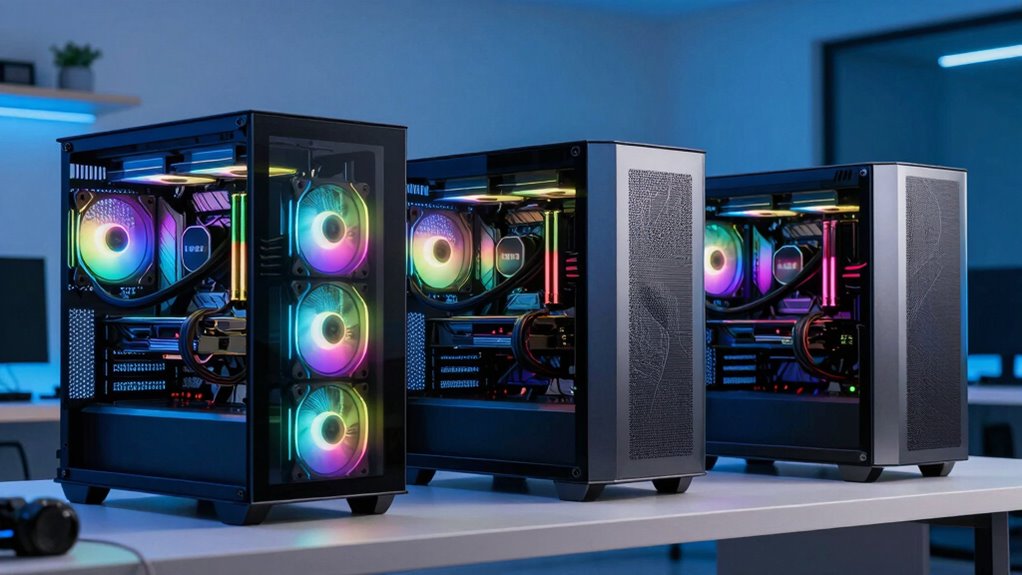


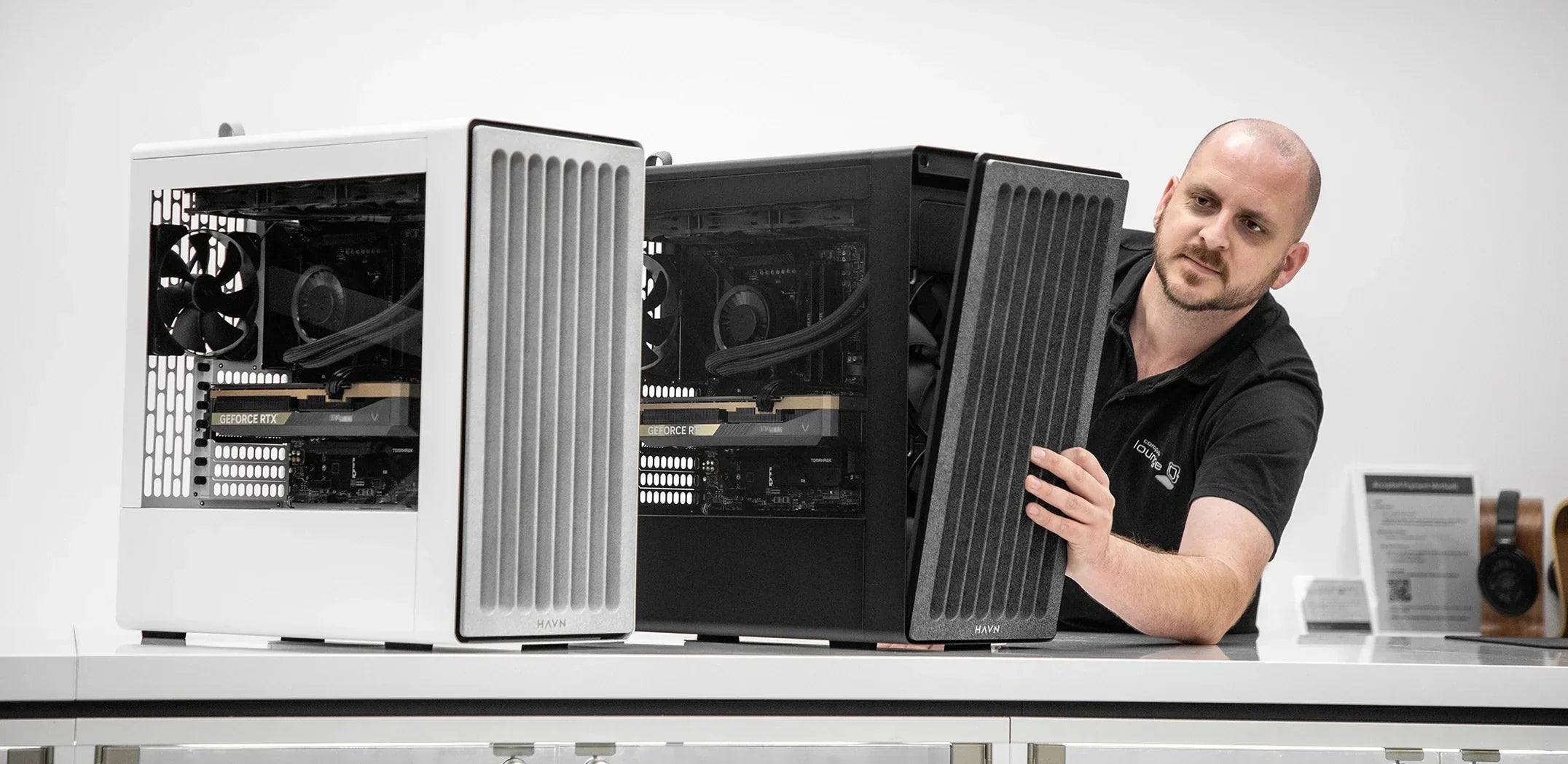
3 Best PC Cases For Airflow In VR Builds For 2026 Digitech Bytes Top Vr Airflow Pc Cases D3ad0 . 10 Best Airflow PC Cases July 2026 Complete Guide Best Airflow PC Cases . 10 Best Airflow PC Cases March 2026 Expert Reviews For Cool Builds Best Airflow PC Cases 768x419 . Top 3 Best Airflow PC Cases In 2026 YouTube . Best Airflow Case 2026 Havn BF 360 Flow At Computer Lounge NZ HAVN 360 Flow Blog.webp


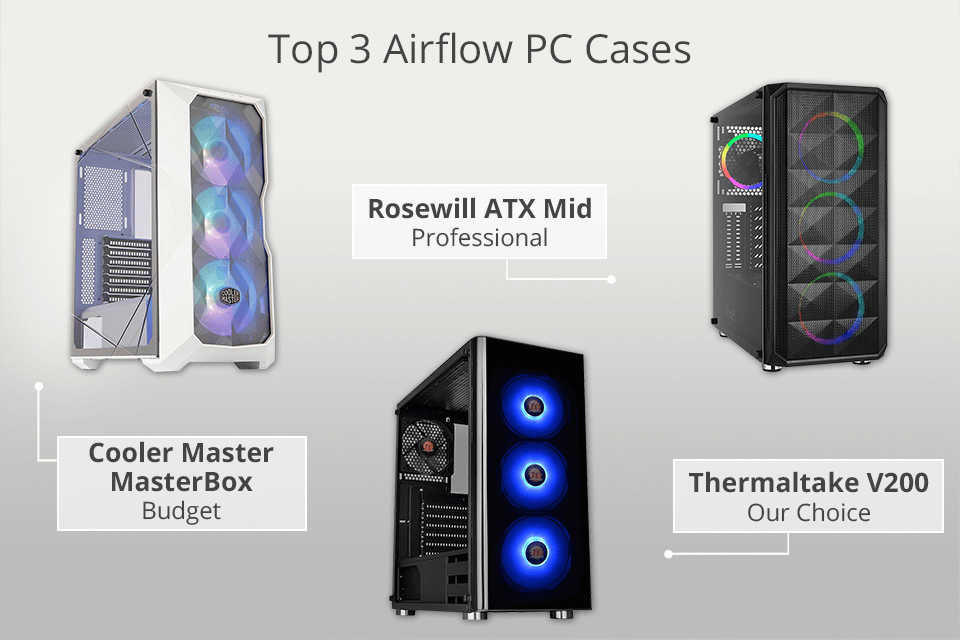
Comment Choisir Son Bo Tier PC En 2026 Airflow Format Ventilateur Case. 3 Best PC Cases For Airflow In VR Builds 2026 StrongMocha Top Airflow Vr Pc Cases V18xq . 6 Best Airflow PC Cases In 2026 Best Airflow Pc Case . 6 Best Airflow PC Cases In 2026 News Fb Image 8620 . Best Airflow PC Cases For Gaming Builds Top 10 Airflow PC Cases In 2026 Antara


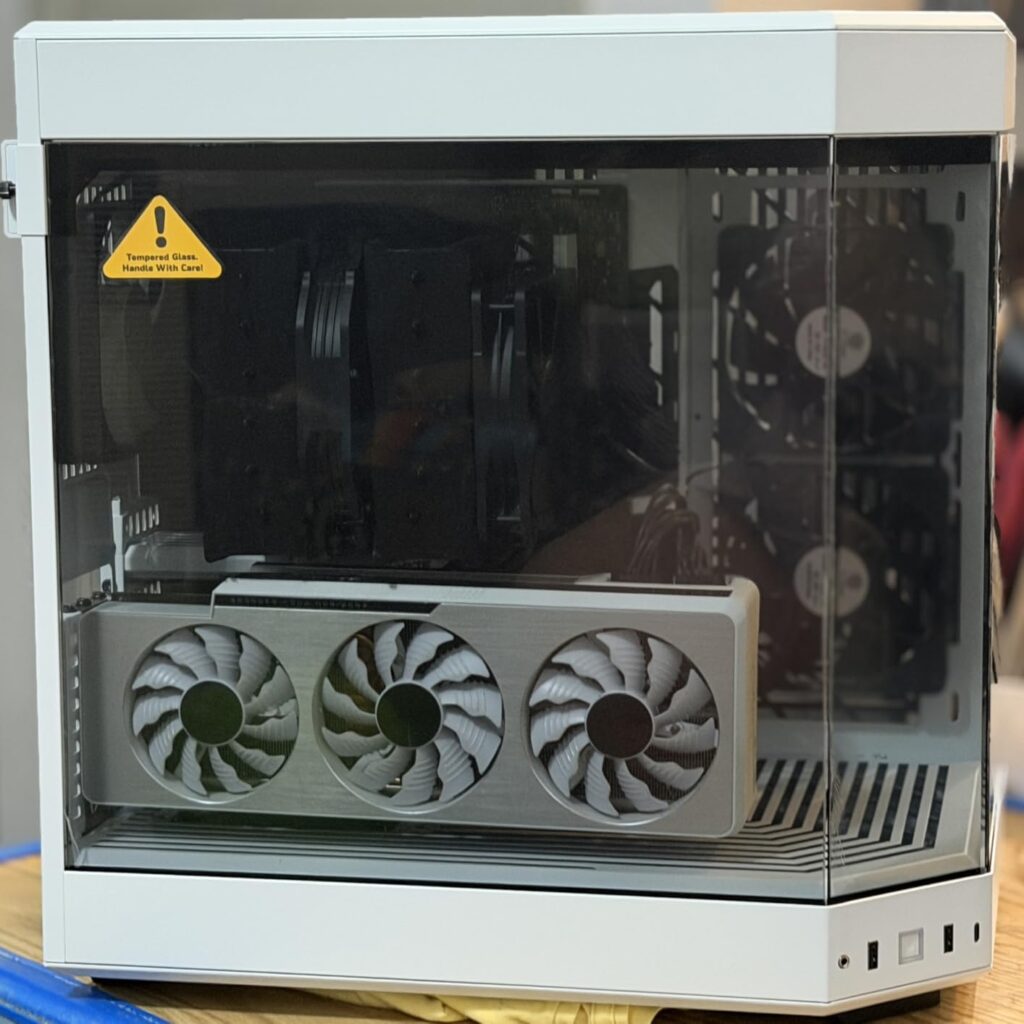
12 Best Airflow PC Cases July 2026 Complete Buyer S Guide Best Airflow PC Cases . 12 Best Airflow PC Cases March 2026 Models Tested For Maximum Cooling 41WKGqx87BL . Best PC Cases For Airflow In 2026 Gaming PC Guru AC SL1500 . 11 Best Hybrid Airflow PC Cases That Keep Temps Cool Gaming Hot Hybrid Airflow Pc Cases For Gaming Temps 16pie . 10 Best Airflow PC Cases March 2026 Expert Reviews For Cool Builds B0BQPWJZDK Customer 2 1024x1024


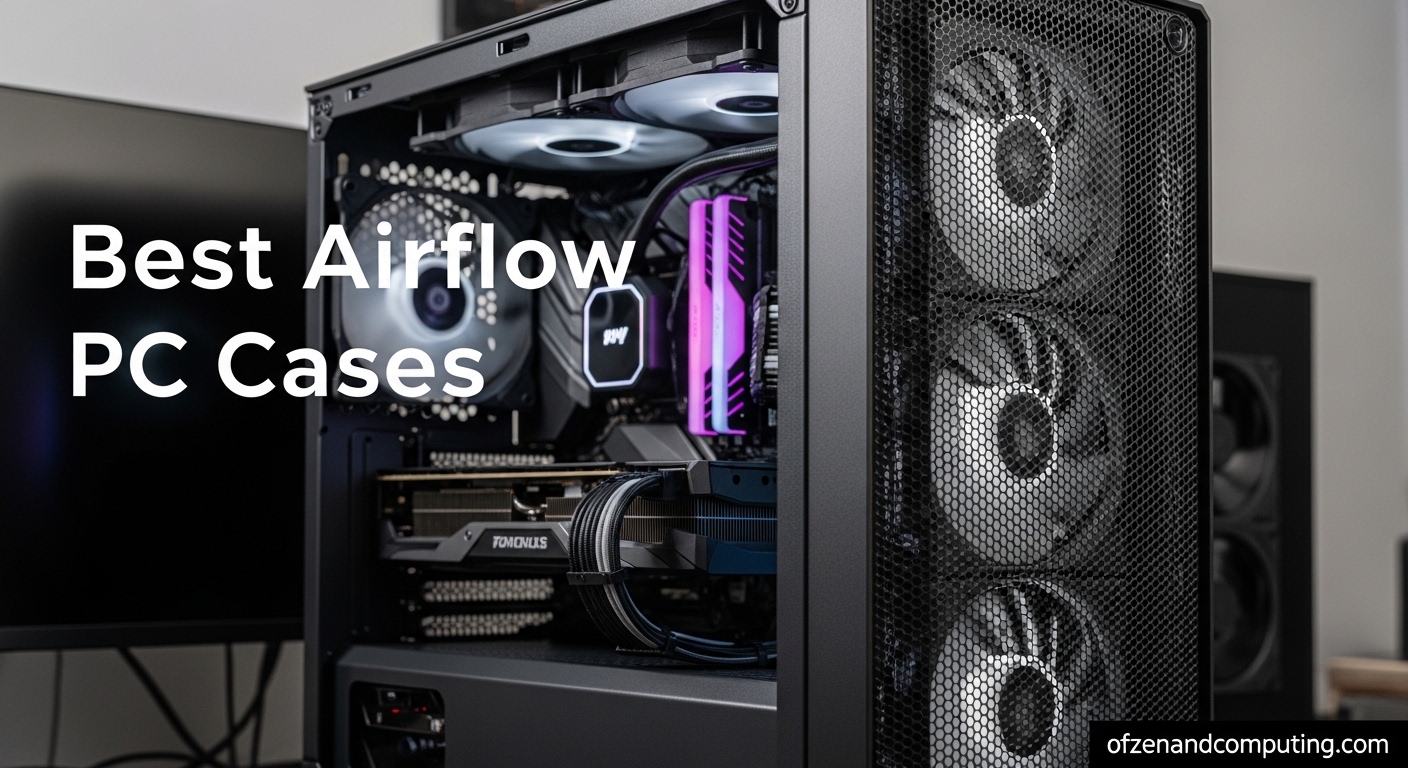
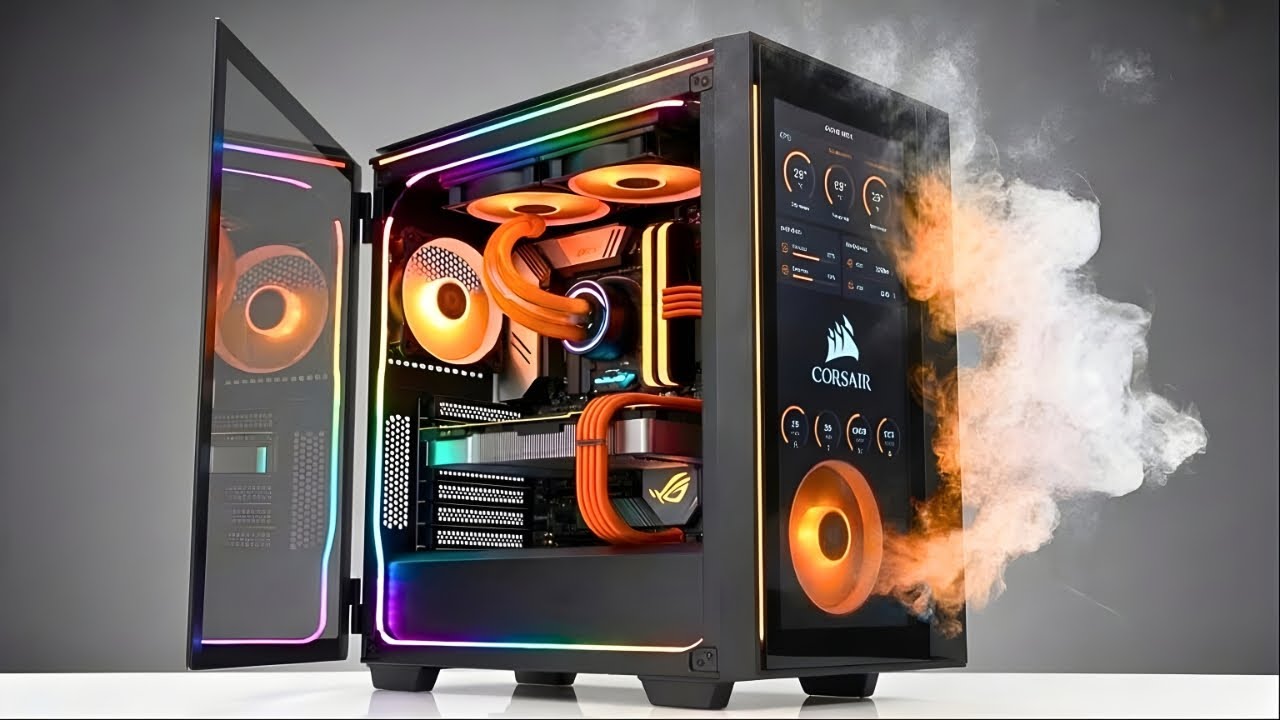

Highest Airflow Pc Case At Laura Sutter Blog . Best PC Cases For Airflow UK 3 Best PC Cases For Airflow Facebook Optimised Blog Feature Image Facebook Text1 . 12 Best Airflow PC Cases March 2026 Models Tested For Maximum Cooling Best Airflow PC Cases . Top 6 BEST PC Cases For 2026 Top Airflow Gaming Cases YouTube . 10 Best Airflow PC Cases March 2026 Expert Reviews For Cool Builds B0DQPMJ6MJ Customer 2 865x1536
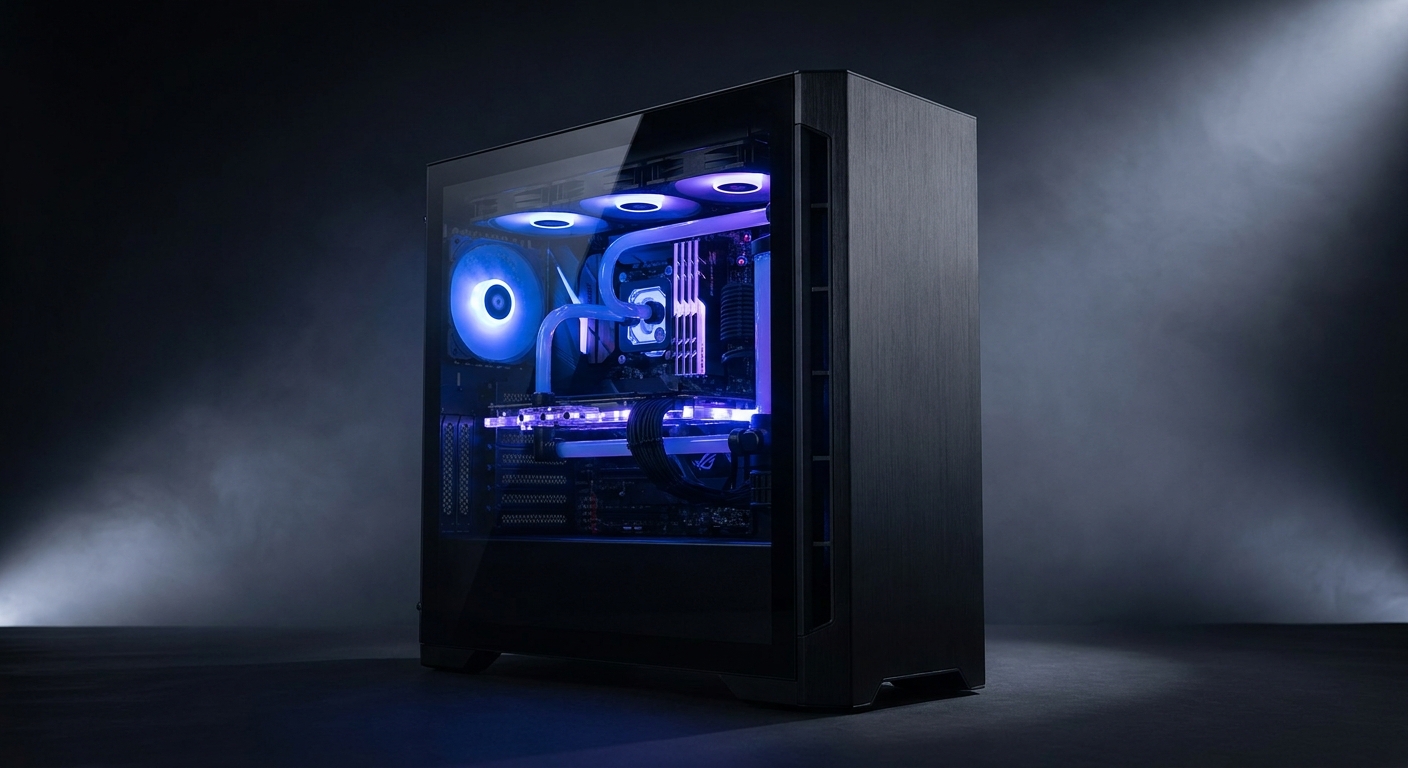
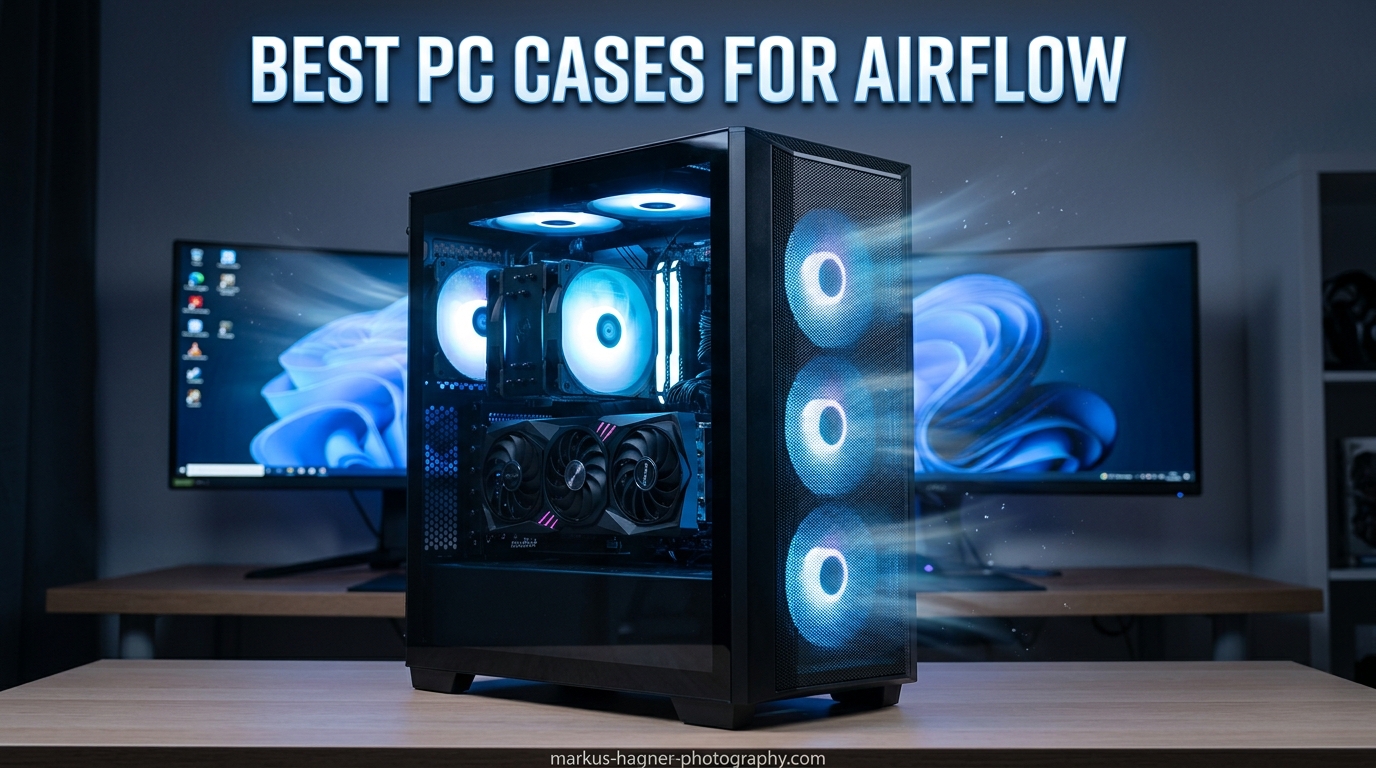


Best PC Cases For Airflow And Aesthetics 2026 Article9 01 Hero Best Pc Cases Airflow Aesthetics 2026 . 8 Best PC Cases For Airflow July 2026 Expert Guide Best PC Cases For Airflow . Best PC Cases For Airflow In 2026 Gaming PC Guru AC SL1500 . 12 Best Airflow PC Cases July 2026 Top Picks Best Airflow PC Cases . Best PC Cases For Airflow And Aesthetics 2026 Article9 02 Airflow Diagram
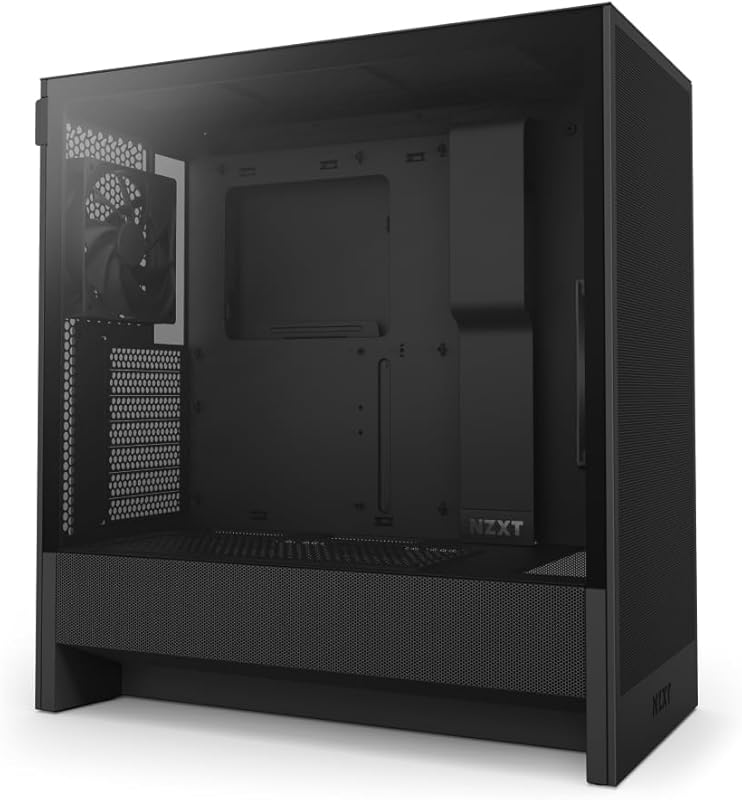


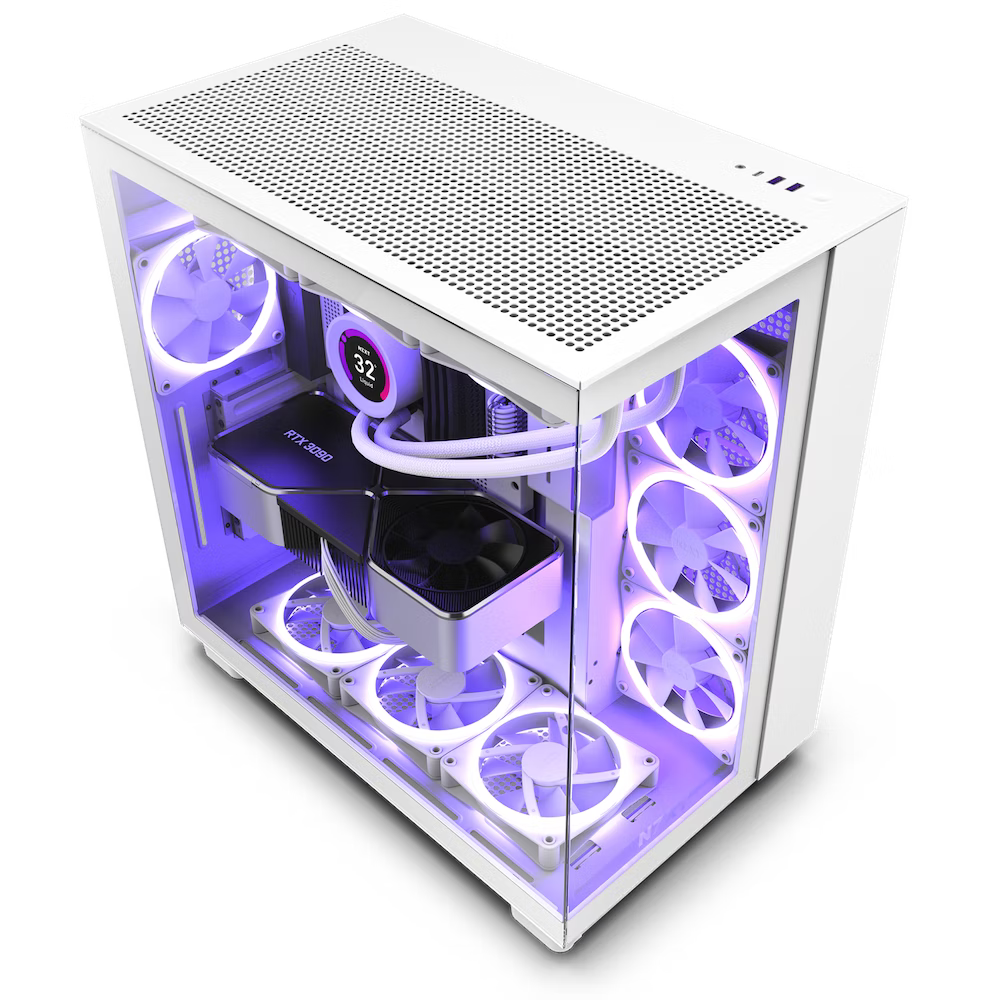
10 Best PC Cases For Airflow In 2026 Expert Tested Reviewed Techzaru Product B0D2MK6NML . Best PC Cases UK 2026 6 Tested Ranked By Experts Best PC Cases UK 2026 6 Tested Ranked By Experts F1bfa0a7 . Best Airflow PC Cases 2026 Cool Temps Silent Performance YouTube . Best PC Cases For Airflow In 2026 Gaming PC Guru AC SL1500 . Best PC Cases For Airflow In 2024 Nzxt H9 Flow Product Trans Aspect


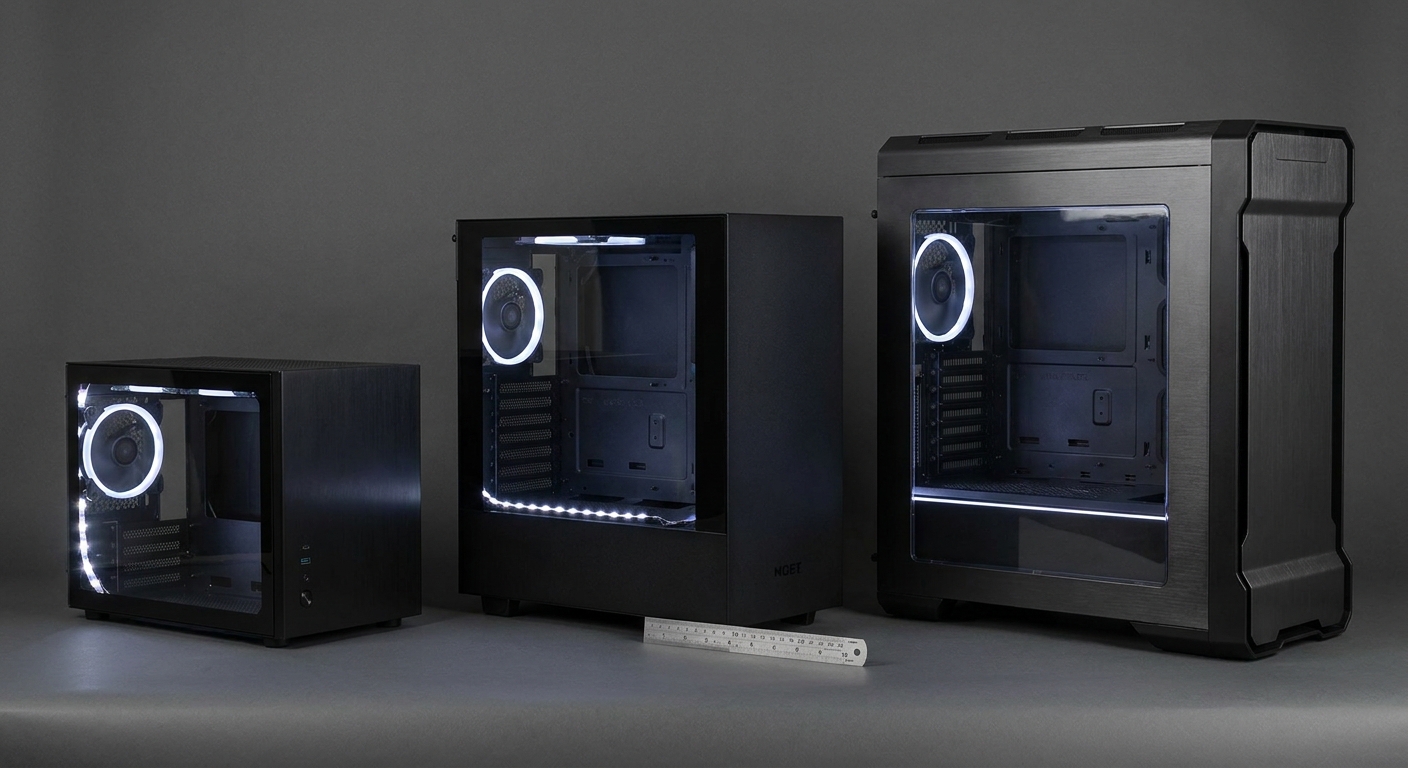


Best PC Cases For Airflow UK 1 Best PC Cases For Airflow UK Blog Feature Image Main 1536x864 . 8 Best Airflow PC Cases July 2026 Expert Reviews Best Airflow PC Cases . Best PC Cases For Airflow And Aesthetics 2026 Article9 03 Case Size Comparison . 13 Best 120mm PC Case Fans For Maximum Airflow June 2026 Expert Reviews Best 120mm PC Case Fans For Maximum Airflow . Best Airflow PC Cases UK 2026 Serverman Tech Reviews How To Guides Pci 4934