In the rapidly evolving world of 2026 PC gaming, where AI-enhanced experiences and expansive cloud gaming dominate, many players ponder a critical question: can gaming ruin a relationship? This comprehensive guide dives deep into the intricate dynamics between passionate PC gaming and romantic partnerships. We explore how dedicated gaming habits, if unchecked, can strain connections, leading to misunderstandings, neglected responsibilities, and emotional distance. Conversely, we also highlight how shared gaming can strengthen bonds, offering unique co-op experiences and mutual enjoyment. Discover practical strategies, communication tips, and time management techniques essential for maintaining a healthy balance. Learn to identify red flags and proactive solutions to ensure your love for gaming enhances, rather than diminishes, your relationship. This informational resource is tailored for U.S. gamers aged 18-45 seeking harmony between their virtual adventures and real-life commitments.
Can excessive gaming really ruin a relationship?
Yes, excessive or uncontrolled gaming can significantly strain and potentially ruin a relationship by leading to neglect of your partner, communication breakdowns, unmet expectations, and shared responsibilities being ignored. It often creates feelings of loneliness and resentment in the non-gaming partner, fostering emotional distance and conflict if not addressed proactively and collaboratively.
What are the common signs gaming is harming my relationship?
Common signs include arguments about screen time, your partner feeling neglected or less important than games, reduced quality time together, missed dates or broken promises due to gaming, financial strain from game purchases, and a general lack of interest in non-gaming activities you once shared. Increased secrecy or defensiveness around gaming habits are also red flags.
How can partners communicate about gaming without arguing?
Effective communication starts with empathy and active listening. Choose a calm time to discuss concerns using "I" statements, focusing on feelings rather than accusations. Set clear, realistic boundaries together regarding gaming time, shared activities, and responsibilities. Compromise is key, seeking solutions that respect both partners' needs and hobbies, perhaps even finding games to play together.
Is it possible for gaming to actually strengthen a relationship?
Absolutely. Shared gaming experiences can be a fantastic way to bond, foster teamwork, and create fun memories. Co-op games, even competitive ones played together, can enhance communication, problem-solving skills, and mutual understanding. Engaging in a partner's hobby shows interest and appreciation, strengthening the emotional connection when balanced appropriately with other aspects of the relationship.
What strategies help balance gaming and relationship commitments?
Key strategies include scheduling dedicated gaming and relationship time, setting clear daily or weekly limits, communicating those limits to your partner, and sticking to them. Prioritize real-world responsibilities and quality time together. Consider a "no-gaming zone" during meals or specific evenings. Involve your partner in your gaming world sometimes, or take interest in their hobbies.
When should professional help be considered for gaming related relationship issues?
Professional help, such as couples counseling or therapy, should be considered if communication repeatedly breaks down, resentment becomes chronic, one partner feels genuinely neglected or emotionally abandoned, or if attempts to balance gaming independently have failed. If gaming is impacting other life areas like work or finances, individual counseling for potential gaming disorder may also be beneficial.
How Gaming Can Impact Relationships Guide 2026
Navigating the Digital Divide: Can Gaming Ruin a Relationship in 2026?
The year is 2026. PC gaming isn't just a hobby; it's a dynamic, ever-evolving landscape fueled by groundbreaking AI, seamless cloud integration, and hyper-realistic ray tracing. From the sprawling, procedurally generated worlds of new survival epics to the cutthroat competition of next-gen esports, the allure of the virtual realm is stronger than ever. With millions of U.S. gamers aged 18-45 sinking countless hours into these immersive experiences, a crucial question arises for many: can gaming ruin a relationship?
This isn't a new concern, but the intensity and accessibility of 2026 gaming amplify its potential impact. While gaming can be a fantastic source of stress relief, social connection, and intellectual stimulation, its unchecked pursuit can cast a long shadow over romantic partnerships. Are those late-night raids, endless grinding sessions, or competitive ladder climbs worth jeopardizing the most important connections in your life? This in-depth guide, crafted for the modern PC gamer and their partners, explores the delicate balance, the potential pitfalls, and, crucially, the proactive strategies to ensure your love for gaming coexists harmoniously with your love for each other. We’ll delve into how to identify warning signs, foster open communication, and even turn gaming into a relationship-building activity. Let's find out if gaming has to ruin your relationship, or if you can achieve true synergy.

Understanding the Impact: How Gaming Affects Relationships
How does intense PC gaming in 2026 truly affect a relationship?
In 2026, intense PC gaming, driven by increasingly immersive graphics, AI companions, and expansive online worlds, can profoundly affect a relationship both positively and negatively. On one hand, it offers an escape, a passion, and a social outlet. On the other, if unchecked, it can lead to severe neglect, communication breakdowns, and a fundamental imbalance where one partner feels consistently deprioritized. The sheer depth of modern games means time commitment can easily spiral, leaving little for shared real-world experiences.
The impact often stems from how gaming time is managed and perceived. When one partner dedicates significant hours to gaming without considering their partner's needs or shared responsibilities, resentment begins to build. This isn't just about the quantity of time, but the quality of presence. Being physically present but mentally engrossed in a game can feel just as isolating as actual absence. With AI-driven narratives and dynamic online environments, the digital world often feels more immediate and rewarding, creating a perceived competition for attention that real-life relationships struggle to win without conscious effort. It's a critical factor in whether gaming can ruin a relationship.
What are the tell-tale signs that gaming is becoming a problem in my relationship?
Recognizing the warning signs early is crucial. The most common indicators include persistent arguments about the amount of time spent gaming, a noticeable decline in quality time spent together (dates, conversations, intimacy), and a partner expressing feelings of loneliness, neglect, or being secondary to your games. You might also notice a decrease in shared responsibilities being met, such as chores or childcare, due to gaming commitments. Furthermore, if you find yourself being secretive about your gaming hours or becoming defensive when confronted, these are strong red flags. Your partner might start mentioning phrases like "you're always gaming" or "it feels like I'm single."
Beyond these, consider the emotional impact. Is your partner frequently sad or withdrawn after you game for extended periods? Do you feel irritable or anxious when you can't game? Are financial resources strained by new game purchases, hardware upgrades (especially with 2026's high-end GPUs and CPUs pushing price points), or in-game transactions without mutual agreement? These behavioral patterns, coupled with an erosion of open communication, strongly suggest that gaming is negatively impacting your relationship and could potentially ruin it if left unaddressed. Always consider whether gaming contributes to or detracts from your overall life satisfaction and relationship health.

Can gaming addiction really ruin a relationship, and how is it defined in 2026?
Yes, gaming addiction, formally recognized as Gaming Disorder by the WHO, absolutely can ruin a relationship. In 2026, with the advent of ever more compelling AI-driven narratives and hyper-connected multiplayer ecosystems, the risk of developing problematic gaming behaviors is arguably heightened. It's characterized by impaired control over gaming, increasing priority given to gaming over other life interests and daily activities, and continuation or escalation of gaming despite the occurrence of negative consequences. When these behaviors become severe enough to result in significant impairment in personal, family, social, educational, occupational, or other important areas of functioning, it becomes a clinical concern. This includes deeply impacting romantic relationships.
For relationships, gaming addiction manifests as a near-total withdrawal from the partner, constant arguments, financial instability due to gaming expenditures, and a complete breakdown of trust and shared life goals. The addicted individual may prioritize gaming above all else, including their partner's emotional needs, anniversaries, or even emergencies. The non-gaming partner often experiences profound emotional trauma, including feelings of abandonment, worthlessness, and deep resentment. Seeking professional help, both individually and as a couple, becomes imperative to navigate this challenging situation and prevent gaming from irreversibly damaging or ruining the relationship.
How can partners communicate effectively about gaming habits without arguing?
Effective communication is the cornerstone of resolving any relationship conflict, especially concerning gaming. The key is to approach the conversation from a place of understanding and collaboration, rather than accusation. Choose a calm, neutral time when neither partner is stressed or actively gaming. Use "I" statements to express your feelings (e.g., "I feel lonely when you game for four hours straight" instead of "You always ignore me for your games"). Focus on how specific behaviors make you feel, rather than making broad judgments about your partner's passion.
Encourage active listening from both sides, ensuring each person feels heard and validated. Propose solutions together, such as setting a weekly gaming schedule, designating specific "date nights" that are gaming-free, or agreeing on signal words for when one partner needs attention. Compromise is vital; acknowledge your partner's passion for gaming while ensuring your relationship needs are also met. Perhaps even explore trying a game together. Remember, the goal isn't to eliminate gaming, but to integrate it into a balanced life that values both individual passions and shared intimacy. This collaborative approach significantly reduces the chance that gaming can ruin a relationship.

What are practical strategies for balancing gaming and relationship commitments in 2026?
Balancing gaming and relationship commitments in 2026 requires intentional effort and clear strategies. Firstly, scheduling is paramount. Treat your gaming time like an appointment, but also schedule dedicated quality time with your partner. A shared digital calendar can be invaluable for this, noting both gaming sessions and date nights. Secondly, establish clear boundaries. This might mean "no gaming during dinner," "no gaming after 10 PM," or specific days dedicated entirely to the relationship. Thirdly, prioritize responsibilities. Ensure household chores, work deadlines, and family obligations are met before you dive into that new AI-generated open world.
Fourthly, consider involving your partner. Can they join you for a casual co-op game? Can you explain what you love about your current game? Even spectating can be a bonding experience. If they're not interested, show reciprocal interest in their hobbies. Fifthly, practice self-awareness. Regularly check in with yourself about your gaming habits and their impact. Are you enjoying the game, or are you just mindlessly grinding? Finally, be flexible and willing to adjust. Life changes, and so should your schedule. The goal is a dynamic balance that honors both your individual passions and your shared life, ensuring gaming never has the power to ruin your relationship.
Can engaging in co-op or shared gaming actually strengthen a relationship?
Absolutely! Far from always being a divisive force, gaming can be a powerful tool for strengthening relationships when approached correctly. Shared gaming experiences, particularly co-op or multiplayer titles where teamwork is essential, can foster communication, problem-solving skills, and mutual support. Imagine tackling a complex dungeon in a new 2026 RPG together, strategizing in a real-time tactics game, or even competing playfully in a party game – these moments build shared memories and inside jokes.
Playing together allows partners to see each other in new lights, appreciate different skill sets, and experience triumphs and challenges as a team. It creates a unique bond and a shared world that can deepen intimacy. Furthermore, if one partner is a dedicated gamer and the other is not, taking an interest in their hobby by watching them play, asking questions, or even trying a casual game they enjoy demonstrates care and validation. This reciprocal engagement validates both partners' interests, transforming gaming from a potential point of conflict into a cherished shared activity that strengthens rather than risks ruining the relationship.

What role do specific game genres play in relationship dynamics in 2026?
The genre of games played can significantly influence relationship dynamics in 2026. Highly immersive and open-ended genres, such as MMORPGs, expansive survival games, or competitive esports titles (like the latest iteration of Valorant or League of Legends with their AI-enhanced matchmaking), often demand extensive time commitments due to progression systems, social pressures from guilds/teams, and continuous content updates. These can be particularly challenging for relationships if not managed strictly, as they create a persistent pull towards the virtual world.
Conversely, narrative-driven single-player games, while incredibly immersive with 2026's cinematic fidelity, usually have a clearer endpoint, making them easier to fit into a schedule. Co-op adventure games or casual party games (think Lethal Company in 2026 VR or a new Jackbox style pack) are excellent for shared experiences, fostering bonding and laughter. Understanding the demands of different genres can help gamers and their partners anticipate potential conflicts and proactively set boundaries, preventing specific games from becoming the catalyst that might ruin a relationship. It's about choosing games that fit your shared lifestyle or making your lifestyle fit your chosen games responsibly.
When is it time to seek professional help for gaming-related relationship issues?
The decision to seek professional help is a significant step that should be considered when self-managed strategies and communication efforts repeatedly fail, and the relationship continues to suffer. If arguments over gaming become constant, if one partner feels consistently unheard or neglected, or if there's a breakdown in trust due to secretive gaming behaviors, it's time to consider couples counseling. A professional therapist can provide a neutral space, mediate difficult conversations, and equip both partners with effective communication tools and coping strategies.
Furthermore, if the gaming behavior exhibits signs of potential addiction—such as escalating time spent gaming, neglecting personal hygiene or work, withdrawal symptoms when not gaming, or prioritizing gaming over significant life events—individual therapy for the gamer may also be necessary. Therapists specializing in behavioral addictions or relationship dynamics can offer tailored guidance to address underlying issues and help restore balance. Waiting too long can entrench negative patterns, making it harder to salvage the relationship, highlighting the true potential for gaming to ruin a relationship if left unchecked.
How do 2026's AI and cloud gaming trends influence potential relationship strain?
The advancements in AI and the ubiquity of cloud gaming in 2026 introduce new dimensions to how gaming can impact relationships. AI-enhanced games offer unprecedented levels of immersion, personalization, and adaptive challenges, making them incredibly difficult to put down. AI companions can feel more lifelike, and AI-driven narratives can be endlessly engaging, potentially pulling gamers deeper into virtual worlds and away from real-world interactions. This heightened immersion demands even greater self-discipline to maintain a healthy balance.
Cloud gaming, with its "play anywhere, anytime" convenience, blurs the lines between dedicated gaming sessions and casual leisure. A gamer might pick up a controller on their phone during a meal, or stream a quick session on a tablet during what was supposed to be shared downtime. This constant accessibility can make it harder for partners to carve out non-gaming periods, leading to a constant low-level presence of gaming that prevents deep connection. Both trends amplify the need for explicit boundaries and conscious decision-making to prevent gaming from inadvertently damaging or even ruining a relationship.
Building a Stronger Bond: Tips for Gamers and Partners
Beyond addressing conflicts, proactively building a stronger relationship around gaming involves several key areas. These aren't just about preventing gaming from ruining a relationship, but actually making it a part of a flourishing one.
- Dedicated Date Nights: Schedule non-negotiable date nights or quality time that is completely free of screens and gaming. This could be a weekly dinner, a movie, or an activity you both enjoy. Consistency is crucial.
- Shared Hobbies Beyond Gaming: Cultivate interests outside of gaming that you both enjoy. This could be hiking, cooking, reading, or exploring local events. A diversified life reduces over-reliance on one activity for fulfillment.
- Understanding Love Languages: Learn your partner's love language (Words of Affirmation, Quality Time, Receiving Gifts, Acts of Service, Physical Touch) and make a conscious effort to express love in ways they understand, even amidst your gaming schedule.
- Financial Transparency: Discuss gaming-related expenditures openly. With 2026's expensive hardware and premium game releases, financial strain can quickly become a relationship issue. Set budgets together.
- Family First: If you have children, ensure gaming never compromises your parenting responsibilities or quality family time. Role-model healthy screen habits.

Gaming and Relationships: Finding Your 2026 Equilibrium
In 2026, the question "can gaming ruin a relationship?" doesn't have a simple yes or no answer. Gaming, in itself, is neither good nor bad for a relationship; its impact hinges entirely on how it's managed, communicated, and integrated into a couple's shared life. The immersive power of 2026's AI-enhanced titles and the omnipresence of cloud gaming present both incredible opportunities for shared enjoyment and significant challenges for maintaining real-world connections.
By fostering open, honest communication, setting clear boundaries, practicing empathy, and sometimes even embracing gaming as a shared activity, couples can navigate the digital landscape successfully. The goal isn't to eradicate gaming, but to establish an equilibrium where individual passions thrive alongside a strong, loving partnership. Your PC rig might be cutting-edge, but your relationship requires even more sophisticated care and attention. So, don't let your virtual adventures overshadow your real-life love story. Share your strategies for balancing gaming and relationships in the comments below – your insights could help another couple find their harmony!
Recognize communication breakdowns due to gaming. Implement time management strategies for gaming and relationship balance. Understand how gaming can both strain and strengthen relationships. Identify signs of gaming addiction impacting a partner. Learn to set boundaries and expectations around gaming habits. Explore co-op gaming as a relationship-building activity. Discover ways to prevent gaming from becoming a source of conflict.
35



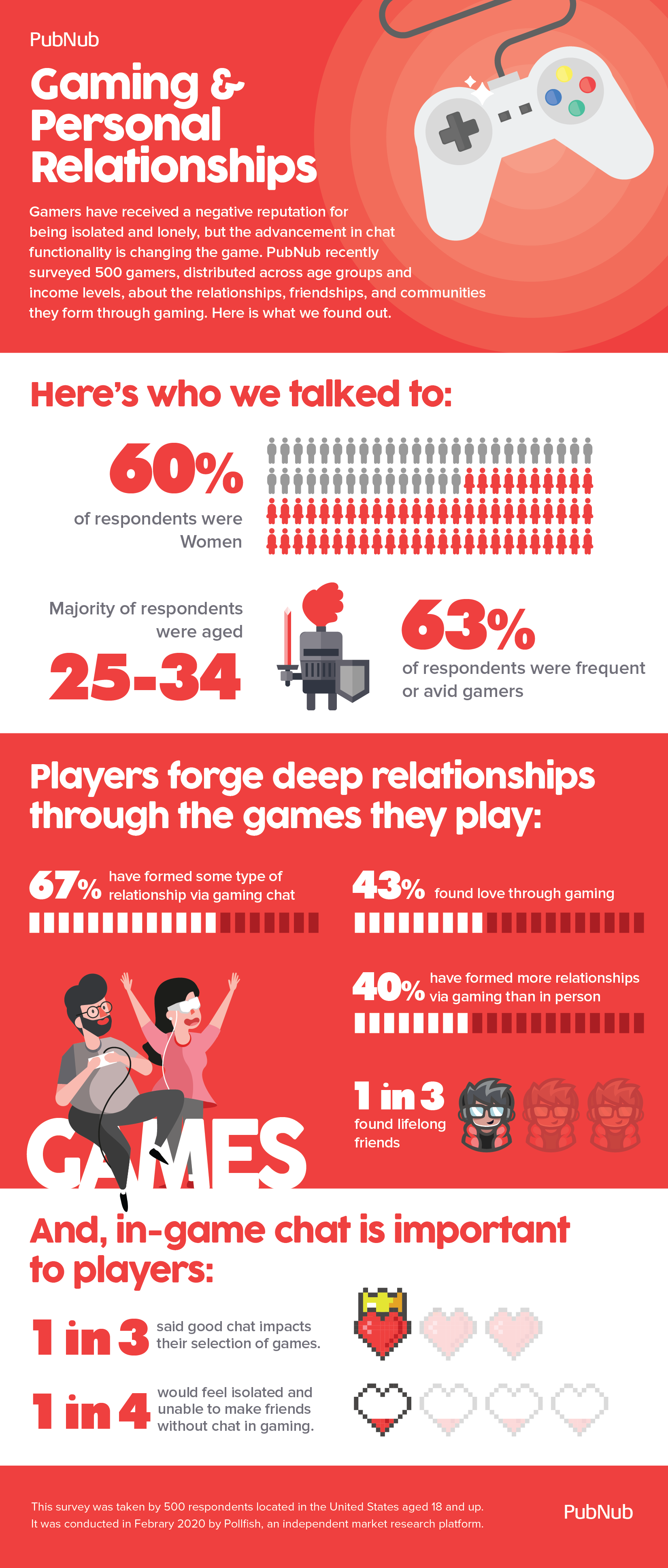
Love In Pixels How Tinder Is Romance In The Gaming Couple Gaming Together 1024x796 . My Partner Is Addicted To Video Games M D D Dating Coach Couples Do Video Games Damage 1024x576 . This Drinking Game Ruin Part Four CantoMando Facebook Media. How To Maintain A Healthy With Video Games . Gaming Effects On At Alfred Sullivan Blog Infographic 1


Is Gaming Ruining Your Marriage NURTURING MARRIAGE Is Gaming Ruining Your Marriage 1 Orig . Gamer Spouse Can One Ruin Your Marriage Motherhood Malaysia 5 12 . Signs Of Hidden Tension That Could Ruin Your 1249 Signs Of Hidden Tension That Could Ruin Your 1980x1328 . Console Gaming And The Dos And Don Ts Of Gaming With 110.4 Console Gaming And The Dos And Donts Of Gaming With Your Significant Other Scaled . Console Gaming And The Dos And Don Ts Of Gaming With 110.0 Console Gaming And The Dos And Donts Of Gaming With Your Significant Other Scaled



Is Gaming Really A Problem For YouTube . Can Fear Of Conflict Ruin Your Center 551 Can Fear Of Conflict Ruin Your 1200x810 . How Gaming Can Improve Your The XO Factor 3 . 5 Money Mistakes That Can Ruin Your 5 Money Mistakes That Can Ruin Your 1024x577 . Video Games 2026 Key Trends Shaping The Future Of Play Mavigadget Blog 696x696


7 Dating Mistakes That Can Ruin A 2024 2025 Version . Can Neptune RUIN Margaret Gray Expert . 10 Signs That Could Signal A Toxic Gaming Couple Ss518878087 1024x576 . 8 Acts That Can Ruin Marriage YouTube . How Gaming Can Improve Your The XO Factor 4


How Gaming Can Improve Your The XO Factor 2 . 9 Games That Can Boost Your Games . 15 Bad Habits That Can Ruin Your And How To Fix Them . NES Game Re Releases After 35 Years On PS5 And Nintendo Switch 2 You Can Now Hire A Stranger To Come To Your Barbecue And Hang Out . New Microsoft Gaming CEO Shares Her Gamertag And Top Three Favorite Games Moving In Together Nearly Ends Most New Survey Finds
:strip_icc():format(jpeg)/kly-media-production/medias/5477140/original/064928000_1768810022-611326261_910848478268458_1669977368302009157_n.jpg)

The Bible Didn T Say Money Is Evil It Said The Love Of Money Is Money Media. The 10 Best MOBA Games To Play In 2026 064928000 1768810022 611326261 N . How Withholding Affection Can Ruin Your How Withholding Affection Can Ruin Your . 10 BEHAVIOURS THAT CAN DESTROY YOUR MENTAL GAME YouTube . 5 Ways To Stop Video Games From Ruining Your 5 Ways To Stop Video Games From Ruining Your Generated Pin 13168 150x150



24 Easter Games For Kids 2026 Parade Easter Games For Kids Joyin Knockdown Can Game Easter . New Microsoft Gaming CEO Shares Her Gamertag And Top Three Favorite Games Scientists Say You Have A Sixth Sense And It Could Affect Your Mental Health . Pok Mon GO Fest 2026 Chicago Captured Everything To Love About This Game Pokemon Go Fest 2026 But Why Tho 4 1024x562 . MG1017 Majid Gaming Media. Warhammer 40 000 News Knights Stomp In Cain Arrives And Ork Image 375